
Redefining Comfort, Wellness, and Personal Time in Today’s Fast-Paced World
Introduction: The Evolving Landscape of Self-Care
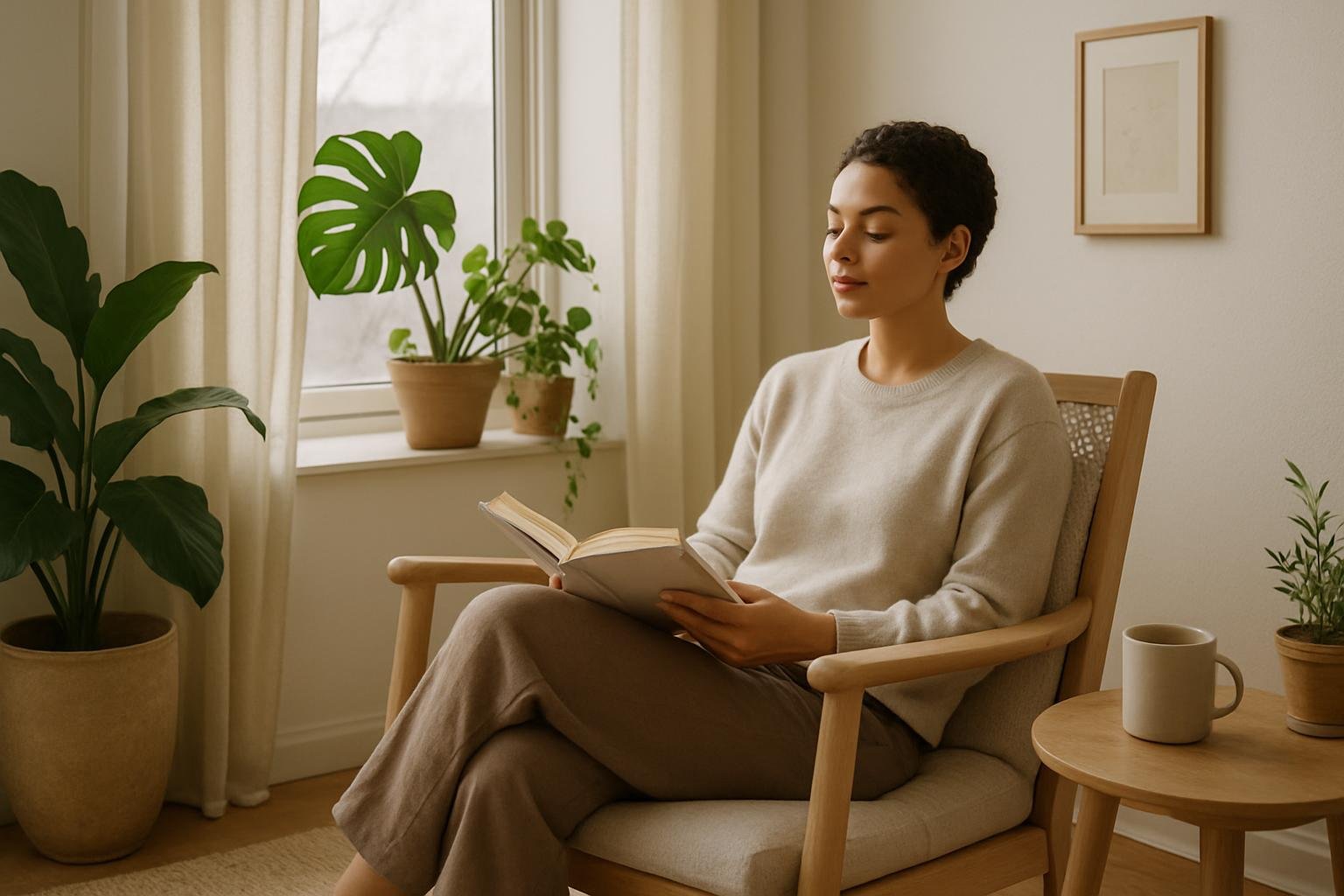
Comfort, wellness, and personal time have always been pillars of a balanced life. However, as societal rhythms quicken and digital connectivity blurs boundaries, these concepts have transformed. This redefinition invites us to step back and reconsider what it truly means to care for ourselves amid constant change.
Comfort Beyond Physical Spaces
Traditionally, comfort centered around physical ease—soft furniture, cozy environments, or quiet retreats. Today, comfort transcends material surroundings and enters emotional and psychological realms. It involves cultivating a mindset that accepts imperfection, allowing space for vulnerability and restfulness even in chaotic situations.
This shift recognizes that comfort is not solely about isolation or escape but about feeling secure and grounded within oneself. Practices such as mindfulness and intentional breathing are increasingly embraced not merely for relaxation but as essential anchors in a restless world.
Wellness as a Holistic Practice
Wellness was once defined largely by physical health markers: nutrition, exercise, and sleep. While these remain vital, the modern understanding encompasses mental, emotional, and social dimensions. Wellness now demands attention to how we manage stress, maintain meaningful connections, and find purpose.
Moreover, wellness calls for adaptability. In an era marked by uncertainty—from work dynamics to global challenges—resilience becomes a cornerstone of wellbeing. This comprehensive approach means personal wellbeing can’t be compartmentalized; it’s an ongoing, integrated pursuit.
Personal Time: Quality Over Quantity
The notion of personal time experiences a qualitative turnaround. It’s no longer the length of time alone that defines restorative personal moments but the quality and intentionality behind them. This subtle change urges us to move beyond passive consumption of leisure—like endlessly scrolling through screens—toward active engagement in interests that foster growth, creativity, or peace.
Setting boundaries on work hours or digital interruptions becomes vital. Personal time is about creating mental and emotional breathing room, enabling us to recharge meaningfully rather than simply disengage.
Practical Takeaways for Modern Living
- Curate Your Environment: Design spaces that invite calmness and reflect your personality, blending comfort with mindfulness.
- Prioritize Holistic Wellness: Integrate practices supporting mental, emotional, and physical health into daily routines.
- Be Intentional With Personal Time: Choose activities that enrich your well-being and respect your limits.
- Set Boundaries: Clearly define work and rest distinctions, especially in remote or hybrid settings.
- Embrace Imperfection: Allow yourself flexibility and self-compassion as part of comfort and wellness.
Conclusion: A New Framework for Thriving
Reimagining comfort, wellness, and personal time is less about adding new practices and more about embracing a nuanced approach that aligns with the complexities of modern life. Recognizing these elements as interconnected helps cultivate a lifestyle that is not only sustainable but also deeply satisfying. In doing so, we find pathways to thrive, rest, and engage more authentically in a rapidly evolving world.