
Best Workout Routine for Better Sports Performance
Best Workout Routine for Better Sports Performance
If you want to play better on game day, the best workout routine is not just about lifting heavier weights or running longer miles. Sports performance improves when training develops the qualities your sport demands most: strength, power, speed, endurance, mobility, balance, and recovery. A smart routine also reduces injury risk, so you can train consistently and perform at a higher level for longer.
The most effective approach combines strength training, explosive work, conditioning, and mobility. Instead of chasing random workouts, build a structured plan that supports your sport, your position, and your current fitness level. The goal is simple: become stronger, faster, more resilient, and less tired when it matters most.
What a Performance-Focused Routine Should Include
A workout routine for sports performance should train the body as a system. That means your sessions should not only build muscle, but also improve coordination and movement quality. A balanced weekly plan usually includes four key elements.
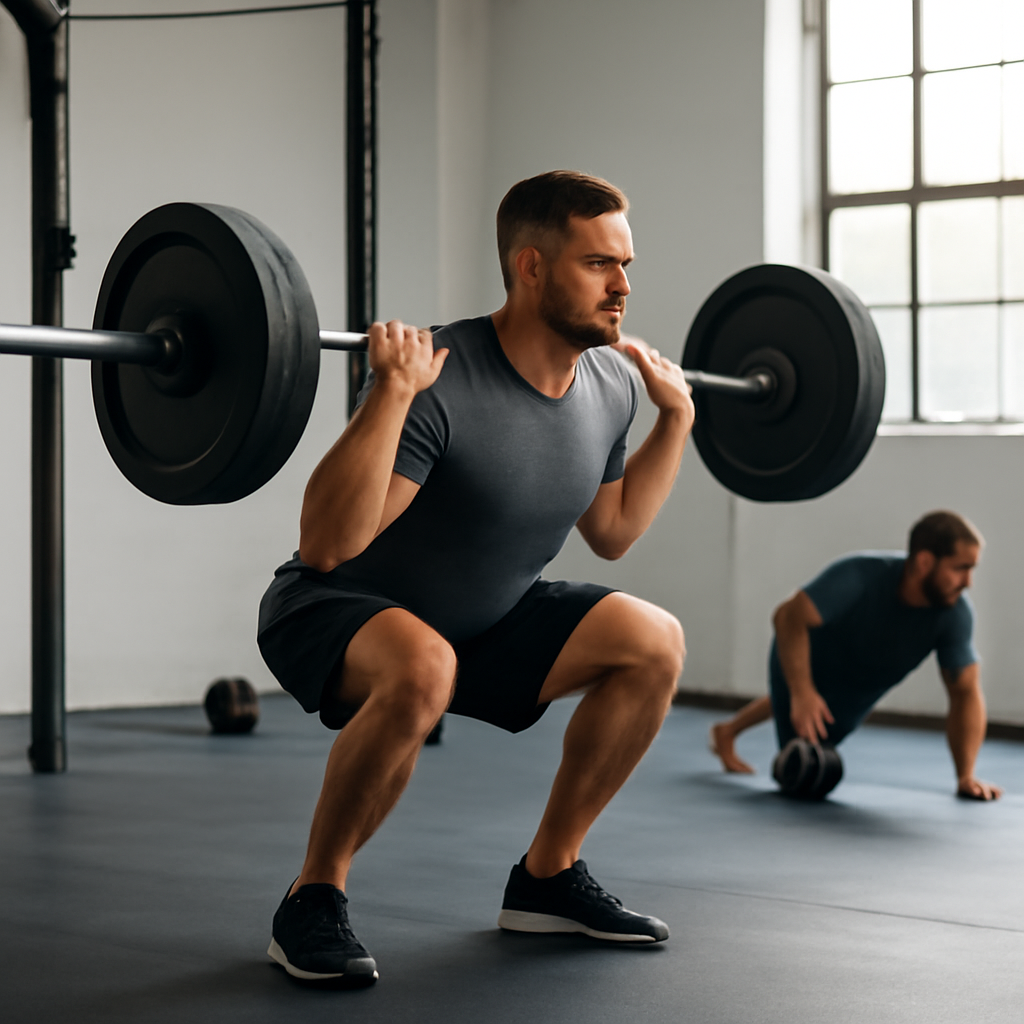
1. Strength Training
Strength is the foundation for most sports. Stronger legs help with sprinting and jumping. A stronger core improves stability, while upper-body strength supports contact, throwing, and controlling movement.
- Squats or split squats
- Deadlift variations or hip hinges
- Push-ups, bench press, or overhead press
- Rows and pull-ups
- Core work such as planks and carries
Focus on controlled, compound movements that use multiple joints. For most athletes, two to three strength sessions per week is enough to make progress without interfering with sport practice.
2. Power and Speed Work
Sports success often depends on how quickly you can produce force. Power training teaches your muscles to move explosively, which can improve acceleration, jumping, and change of direction.
- Box jumps or broad jumps
- Medicine ball throws
- Sled pushes or sprints
- Jump squats or kettlebell swings
Keep these drills short and high quality. Power work should be done when you are fresh, with full recovery between sets. If speed matters in your sport, train it early in the workout.
3. Conditioning for Game Fitness
Conditioning helps you maintain intensity throughout the match, race, or event. The right type depends on your sport. Some athletes need steady aerobic endurance, while others need short bursts of repeated high effort.
- Steady runs, bike rides, or rowing for base endurance
- Intervals for repeated sprint ability
- Shuttle runs or sport-specific conditioning circuits
Be careful not to overdo conditioning at the expense of strength and speed. More is not always better. The best routine balances fitness with recovery so performance keeps rising instead of stalling.
4. Mobility, Stability, and Recovery
Mobility and recovery are often overlooked, but they are essential for staying healthy and moving well. Better range of motion can improve mechanics, while stability helps you control force during fast or awkward movements.
- Dynamic warm-ups before training
- Hip, ankle, and thoracic mobility work
- Single-leg balance and stability drills
- Light stretching or breathing work after training
Recovery also includes sleep, hydration, nutrition, and rest days. If your body never has time to adapt, performance will suffer no matter how hard you train.
Sample Weekly Workout Routine
Here is a simple weekly structure that works well for many athletes during the off-season or a general training block. Adjust volume based on your sport schedule and experience level.
- Monday: Lower-body strength + core
- Tuesday: Speed work + mobility
- Wednesday: Upper-body strength + light conditioning
- Thursday: Recovery, movement drills, or sport practice
- Friday: Full-body power training
- Saturday: Conditioning or sport-specific training
- Sunday: Rest or active recovery
This type of schedule gives you enough quality work without stacking hard sessions back to back. If you are in-season, reduce lifting volume and focus more on maintenance, freshness, and recovery.
How to Make the Routine Work for Your Sport
The best workout routine is always specific. A basketball player may need more jumping, sprinting, and agility. A soccer player may need repeat sprint conditioning. A baseball or tennis athlete may need rotational power and shoulder health. A runner may need more aerobic work and lower-body durability.
Ask these questions when building your plan:
- What movements does my sport demand most?
- What physical weakness limits my performance?
- How many practices or games do I already have each week?
- What can I recover from consistently?
That last question matters most. The routine you can recover from and repeat is the one that will improve performance over time.
Final Takeaway
The best workout routine for better sports performance is not the most complicated one. It is the one that develops strength, speed, power, conditioning, and mobility in the right balance. Train with purpose, recover well, and keep your program aligned with your sport. When your workouts support how you compete, performance improves naturally.