
How to Improve Your Car’s Fuel Efficiency
How to Improve Your Car’s Fuel Efficiency
Fuel costs can add up quickly, but the good news is that many of the best ways to improve your car’s fuel efficiency are simple, practical, and free. You do not need a new vehicle or expensive upgrades to see results. Small changes in how you drive, maintain your car, and plan your trips can make a noticeable difference over time.
Whether you commute every day or only drive on weekends, improving fuel economy helps you save money and reduce wear on your vehicle. It also lowers your environmental impact. The key is to focus on the habits and maintenance items that have the biggest effect.
Drive Smoothly and Avoid Sudden Changes
Aggressive driving is one of the fastest ways to waste fuel. Hard acceleration, sudden braking, and speeding force the engine to work harder than necessary. Smooth, steady driving is usually more efficient and easier on your car.
- Accelerate gradually instead of flooring the gas pedal.
- Keep a safe following distance to avoid frequent braking.
- Use cruise control on long, open highways when appropriate.
- Stay within posted speed limits, especially at higher speeds where fuel use rises quickly.
Even modest changes in driving style can improve mileage, especially in city traffic where stop-and-go conditions are common.
Keep Your Tires Properly Inflated
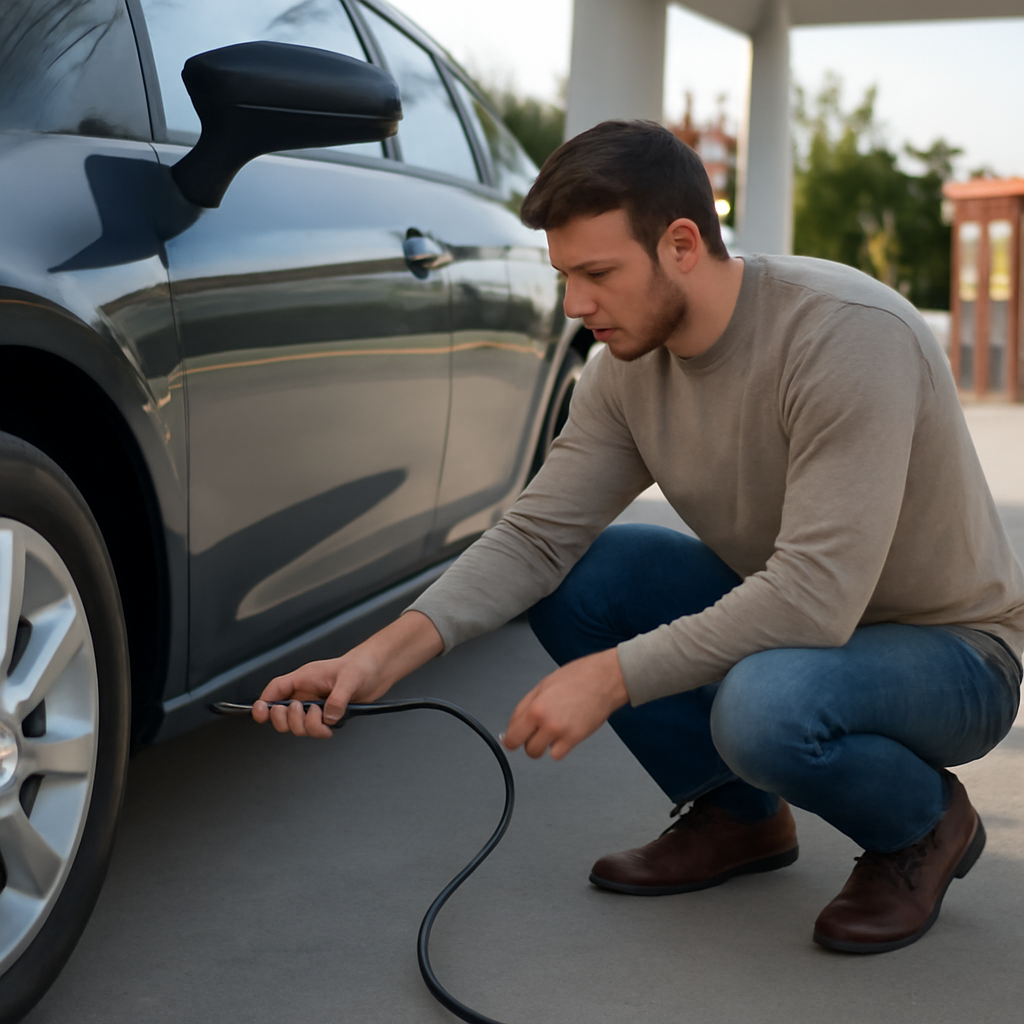
Tire pressure has a direct effect on fuel efficiency. Underinflated tires create more rolling resistance, which makes the engine work harder and burn more fuel. They can also wear unevenly and reduce handling performance.
Check your tire pressure at least once a month and before long trips. Use the pressure recommended in your owner’s manual or on the driver-side door placard, not the number printed on the tire sidewall. Properly inflated tires are one of the easiest ways to protect both your fuel economy and your safety.
Stay on Top of Maintenance
A well-maintained car usually runs more efficiently than one that is overdue for service. Simple maintenance tasks help your engine breathe, burn fuel properly, and operate with less strain.
- Replace the engine air filter when it becomes dirty or clogged.
- Use the correct motor oil grade for your vehicle.
- Keep spark plugs and other ignition components in good condition.
- Follow the manufacturer’s recommended service schedule.
If your check engine light is on, do not ignore it. Even a minor issue can affect fuel economy if the engine is not operating as designed.
Reduce Extra Weight and Drag
Carrying unnecessary weight forces your vehicle to use more energy. The same is true for extra aerodynamic drag, which is why roof racks, cargo boxes, and open windows can reduce efficiency at higher speeds.
Remove heavy items from your trunk or back seat if you do not need them. Take off roof accessories when they are not in use. If you are driving on the highway, consider closing windows and using the ventilation system instead, especially at faster speeds where wind resistance matters more.
Plan Trips More Efficiently
Cold starts use more fuel, so combining errands into one trip is usually better than making several short drives throughout the day. Planning your route can also help you avoid congestion, detours, and unnecessary idling.
- Combine multiple stops into a single outing.
- Choose routes with fewer traffic lights and less stop-and-go traffic when possible.
- Avoid leaving the engine idling for long periods.
- Use navigation apps to check traffic before you leave.
Trip planning is especially useful for busy drivers, because it saves both fuel and time.
Know When Your Car Is Less Efficient
Fuel efficiency naturally changes with weather, terrain, and driving conditions. Short winter trips, steep hills, heavy traffic, and very hot or cold temperatures can all reduce mileage. Understanding these factors helps you set realistic expectations and spot changes that may signal a mechanical problem.
If your fuel economy suddenly drops, check for underinflated tires, dirty filters, poor alignment, or engine issues. A quick inspection can often identify the problem before it becomes expensive.
Small Habits, Real Savings
Improving your car’s fuel efficiency is usually about consistency rather than one big fix. Smooth driving, proper tire pressure, regular maintenance, lighter loads, and smarter trip planning all work together to reduce fuel use. Over time, those habits can lead to real savings at the pump and a longer-lasting vehicle.
The best approach is to start with the easiest changes first. Check your tires, remove unnecessary weight, and pay attention to how you accelerate and brake. Once those habits become routine, you may be surprised by how much more efficiently your car can perform.