
The Ultimate Guide to Fitness for Athletes
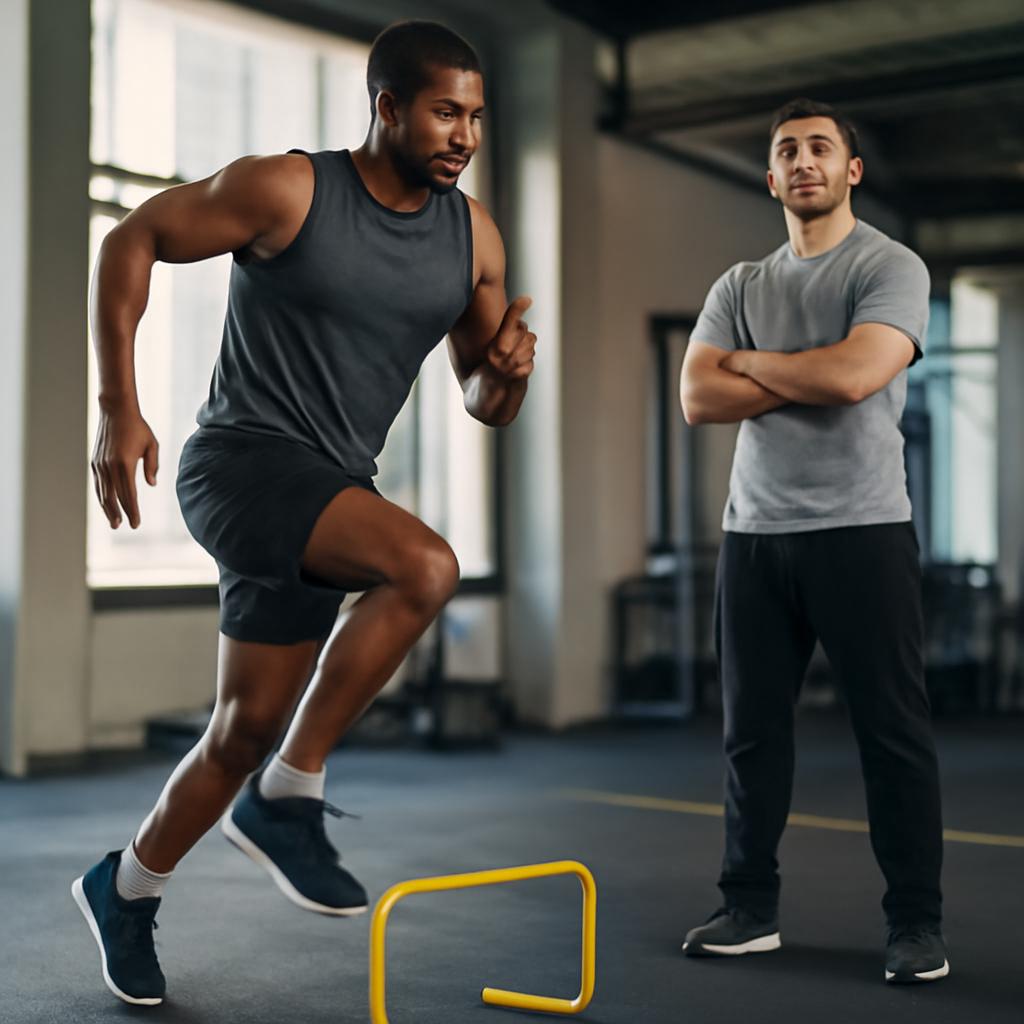
The Ultimate Guide to Fitness for Athletes
Fitness for athletes is not just about looking strong or running fast. It is about building a body that can produce power, repeat effort, recover quickly, and stay healthy across an entire season. Whether you compete in team sports, endurance events, combat sports, or individual performance disciplines, the best fitness plans are specific, balanced, and consistent. The goal is not to train harder every day, but to train in a way that improves performance without breaking the body down.
What Athletic Fitness Really Means
Athletic fitness combines several qualities that work together. Strength helps you generate force. Speed and power help you move explosively. Endurance allows you to sustain effort. Mobility supports efficient movement, while stability helps control it. The most effective athletes are not always the most muscular or the most conditioned in one area; they are the ones who can express the right physical quality at the right time.
This is why a sprinter, soccer player, swimmer, and basketball athlete all need different training priorities. Still, the foundation is similar: build capacity, improve movement, and recover well enough to adapt.
Build a Strong Physical Base
Before advanced performance work, athletes need a solid base. That means mastering movement patterns such as squatting, hinging, pushing, pulling, rotating, jumping, and landing. Good mechanics reduce injury risk and make training more productive.
- Strength training: Focus on compound lifts and controlled progress over time.
- Conditioning: Match energy-system work to your sport’s demands.
- Mobility: Keep joints moving well through regular dynamic work.
- Core control: Train the trunk to resist unwanted movement and transfer force.
Consistency matters more than complexity. A well-structured plan repeated for months will outperform random intense sessions.
Train for Power, Speed, and Agility
Once a foundation is in place, athletes should develop explosive qualities. Power is the ability to apply force quickly. Speed is about moving the body or an object fast. Agility adds the ability to change direction efficiently in response to a stimulus.
Plyometrics, sprint work, resisted acceleration, and change-of-direction drills can all help, but they must be done with quality. These sessions should be performed when the athlete is fresh, because fatigue lowers technique and increases risk.
Key rule for explosive training
Stop the set when speed, form, or timing drops. For athletic development, quality is more important than chasing exhaustion.
Conditioning Without Burning Out
Conditioning should support performance, not drain it. The right balance depends on the sport. Endurance athletes may need a larger aerobic base, while court and field athletes often benefit from short, intense intervals that mimic game demands. The mistake many athletes make is doing too much hard conditioning on top of heavy skill and strength work.
Use a mix of low-intensity aerobic work, high-intensity intervals, and sport-specific conditioning. Monitor fatigue, sleep, and soreness so you can adjust before overtraining becomes a problem.
Recovery Is Part of Training
Recovery is where adaptation happens. Without it, the body cannot fully absorb the work done in training. Sleep is the most powerful recovery tool, followed by nutrition, hydration, stress management, and smart scheduling.
- Sleep: Aim for consistent, high-quality rest every night.
- Nutrition: Eat enough calories and protein to support training.
- Hydration: Replace fluids before, during, and after sessions.
- Rest days: Use them to recover, not to add hidden workouts.
Signs of poor recovery include declining performance, irritability, persistent soreness, and loss of motivation. When these appear, reduce volume and prioritize restoration.
Fuel the Body for Performance
Nutrition plays a major role in fitness for athletes. Carbohydrates provide fuel for intense work, protein supports muscle repair, and healthy fats help with hormone function and overall health. Timing also matters. Eating a balanced meal before training improves energy, while post-workout nutrition helps restore muscle and replenish glycogen.
Athletes should avoid extreme diets that cut energy too low. Under-fueling reduces performance, slows recovery, and raises the risk of injury.
Measure Progress the Right Way
Testing helps athletes know whether training is working. Track performance markers that are relevant to your sport, such as sprint times, jump height, repeated-effort capacity, heart rate recovery, lifting numbers, or movement quality. The best data is simple, repeatable, and useful.
Keep a training log that records sessions, sleep, soreness, and performance. Over time, patterns become clear, and those patterns help guide smarter decisions.
The Bottom Line
The ultimate approach to fitness for athletes is balanced, specific, and sustainable. Build strength, speed, and conditioning with purpose. Protect recovery as seriously as training. Eat to support output. Track progress. Most importantly, stay consistent long enough for the work to compound. Athletic fitness is not built in one intense week; it is built through disciplined habits repeated over time.