
Best Travel Tips for First-Time Travelers
Best Travel Tips for First-Time Travelers
Taking your first trip can feel exciting, overwhelming, and unforgettable all at once. Between booking flights, packing the right items, and figuring out what to do when plans change, it is easy to feel unsure. The good news is that a smooth first trip does not depend on luck. With a little preparation and a few smart habits, you can travel with more confidence and less stress.
This guide covers the most helpful travel tips for first-time travelers, from planning and packing to staying safe and making the most of your experience.
1. Start with a simple plan
Your first trip does not need to be packed with activities. In fact, a simple itinerary is often better. Choose one destination, learn the basics about it, and leave room for flexibility. Research the weather, local customs, transportation options, and any entry requirements before you go.
It also helps to make a short list of your priorities. Do you want to relax, sightsee, try local food, or visit a specific attraction? Knowing your main goal helps you avoid overplanning and keeps the trip enjoyable.
2. Book the essentials early
For first-time travelers, it is wise to lock in the most important parts of the trip before worrying about extras. That usually means transportation, accommodation, and any must-see tickets or reservations. Booking early can save money and reduce last-minute stress.
If you are flying, double-check baggage rules, airport transfer options, and arrival times. If you are staying in a hotel or rental, confirm check-in instructions and the location in relation to the places you want to visit.
3. Pack light and pack smart
One of the most common beginner mistakes is overpacking. A heavy bag makes travel harder, especially if you need to carry it through airports, train stations, or city streets. Choose versatile clothing that you can mix and match, and focus on essentials first.
- Travel documents and copies of them
- Chargers, adapters, and power bank
- Basic toiletries and personal medications
- Comfortable shoes for walking
- A small day bag for outings
A good rule is to pack for comfort and convenience, not for every possible situation. Most places sell basics if you forget something.
4. Keep your documents organized
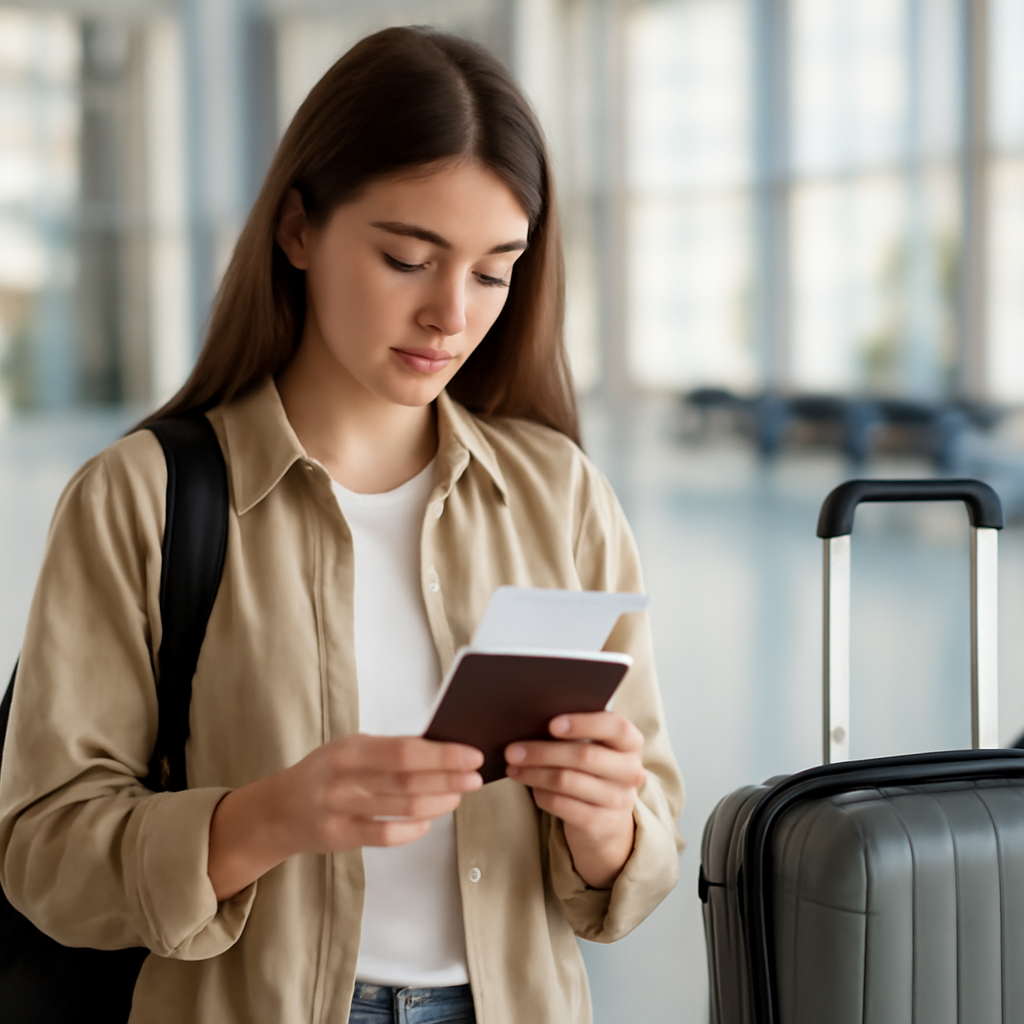
Before you leave, make sure your passport, ID, tickets, reservations, and travel insurance details are easy to access. Keep digital copies on your phone or in secure cloud storage, and carry printed copies as a backup. This can be very helpful if your phone battery dies or you need to show information quickly.
It is also smart to know where your important items are at all times. Use a secure wallet or pouch, and avoid keeping everything in one place.
5. Learn a few basics about your destination
A little local knowledge goes a long way. Learn how to say a few polite phrases, understand common tipping practices, and read up on local transportation. Even simple things, such as how to buy a train ticket or when shops close, can make your first trip much easier.
Understanding local customs also helps you feel more comfortable and respectful. It can improve your interactions and reduce awkward surprises.
6. Stay safe without feeling anxious
Safety should be part of your travel planning, but it should not make you fearful. Share your itinerary with someone you trust, keep your phone charged, and be aware of your surroundings. Avoid flashing large amounts of cash or leaving valuables unattended.
Trust your instincts. If something feels off, step away and reassess. Staying alert is usually enough to prevent most small problems before they grow.
7. Build in extra time
First-time travelers often underestimate how long things take. Airports, public transport, check-ins, and meals can all run longer than expected. Leave earlier than you think you need to, especially when catching a flight or train.
Extra time gives you breathing room and makes the trip feel less rushed. It also leaves space for unexpected delays, which are a normal part of travel.
8. Keep your expectations realistic
Your first trip may not go perfectly, and that is completely normal. Weather changes, plans shift, and you may feel tired or confused at times. What matters most is staying flexible and enjoying the experience as it happens.
Travel is often memorable because of the small surprises, not because every detail goes exactly as planned. If you stay open-minded, your first trip can become a great learning experience as well as a fun one.
Final thoughts
The best travel tips for first-time travelers are simple: plan ahead, pack smart, stay organized, and give yourself time to adjust. Once you focus on the basics, traveling becomes much less intimidating. With every trip, you will learn what works best for you and gain the confidence to explore even more.