
Budget-Friendly Home Decor Ideas to Refresh Your Space with Style
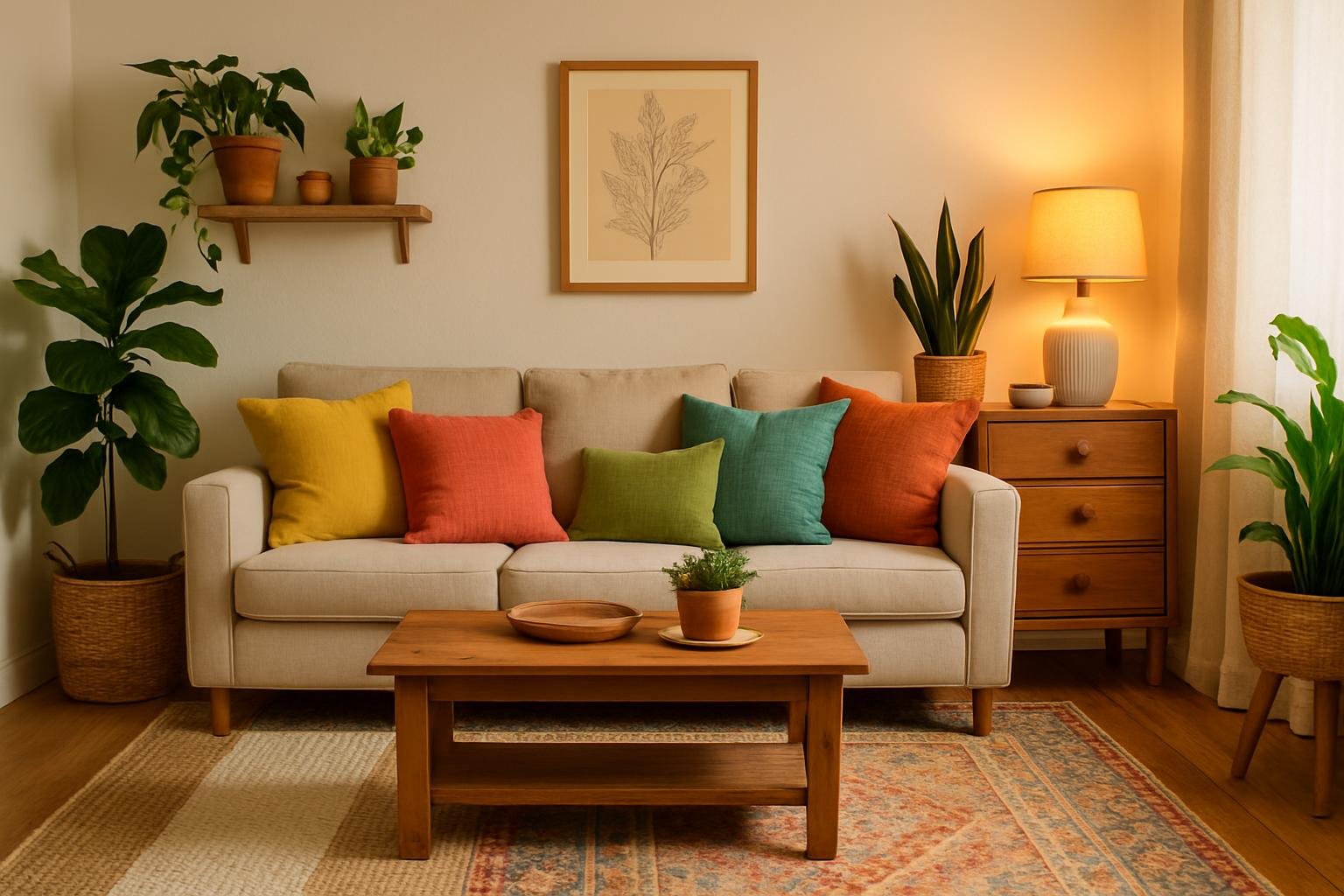
Budget-Friendly Home Decor Ideas to Refresh Your Space with Style
In an era where aesthetic appeal meets functional living, refreshing your home doesn’t have to come with a hefty price tag. Whether you’re renting or own your home, applying budget-conscious decorating techniques can rejuvenate your space while keeping finances intact. The key lies in intentional choices—focusing on impact, creativity, and practicality rather than extravagance.
Embrace the Power of Paint
One of the most transformative and affordable ways to update a room is with paint. A fresh coat on walls, doors, or even furniture can immediately alter the ambiance. Opt for neutral tones to create a timeless backdrop or invigorate spaces with bold accent walls. Painting requires minimal investment, yet when combined with careful color selection, it can dramatically shift your environment.
Consider also repainting or refinishing old furniture pieces. A simple stencil or a pop of color can turn an overlooked item into a statement piece without spending on new furnishings.
Rearrange and Repurpose
Before rushing to buy new decor, look around to identify existing items you can repurpose or rearrange. Changing the layout of furniture often opens up space and improves flow, enhancing the room’s perceived size and comfort.
Repurposing household items—like turning an old ladder into a bookshelf or using jars as vases—injects personality and sustainability into your home. This approach aligns with a mindful consumer mindset and brings distinctive character without cost.
Layer Textures and Fabrics
Adding or updating textiles is a subtle yet impactful way to refresh your home’s style. Throw pillows, curtains, rugs, and blankets immediately infuse color, warmth, and texture. Shop at discount outlets or consider DIY options like sewing cushion covers from leftover fabric.
Mixing textures—soft fabrics, rough woven materials, and sleek surfaces—helps create dynamic visual contrast. This layered effect contributes to a cozy atmosphere and clever design without large expenditures.
Invest in Strategic Lighting
Lighting fundamentally shapes the mood and function of any space. Investing in affordable lamps, string lights, or swapping outdated bulbs for warmer LED options can revitalize a room. Position lights to highlight artwork or architectural features, turning your space into an inviting environment.
Natural light should also be maximized by keeping windows unobstructed and using sheer curtains. The perceived brightness and openness achieved through thoughtful lighting changes often outshines costly renovations.
Incorporate Greenery and Natural Elements
Plants enhance ambiance and promote well-being, making them an essential component of budget-friendly decorating. Choosing low-maintenance varieties like succulents or snake plants ensures longevity with minimal care.
In addition to greenery, natural elements such as stones, wooden trays, or woven baskets add earthy texture and warmth. Incorporating nature-inspired accessories is an affordable strategy to bring tranquility and visual interest into your interior.
Focus on Statement Pieces and Minimalism
Rather than filling every inch with decor, selectively curate statement pieces that express your style and elevate the room’s theme. This deliberate minimalism highlights quality over quantity and prevents clutter.
For example, a striking mirror or unique lamp can serve as a focal point, making the room feel curated and sophisticated. Prioritize purchases that serve a dual purpose—both aesthetic and functional—to maximize budget utility.
Conclusion: Creativity Trumps Cost
The essence of budget-friendly home decor lies not in how much you spend but how thoughtfully you approach your space. By embracing paint, repurposing, layering textures, enhancing lighting, and thoughtfully incorporating natural and statement pieces, you can achieve a stylish fresh look without financial strain.
Ultimately, your home should mirror your personality and lifestyle. Careful curation and creativity ensure your environment remains vibrant, comfortable, and inviting—proving that transformative design does not require extravagant budgets but intentional choices.