
Best Foods for Better Digestion and Gut Health: Expert Insights
Digestive health is foundational to overall well-being, influencing everything from nutrient absorption to immune system performance. While countless factors affect gut function, what we eat remains a primary determinant. Choosing the right foods can profoundly support digestion and cultivate a balanced gut microbiome.
Why Prioritizing Gut Health Matters
Our gut hosts trillions of microbes essential for breaking down food, synthesizing vitamins, and regulating inflammation. An imbalance in these microorganisms may lead to digestive discomfort, nutrient deficiencies, and systemic health issues. Therefore, fostering a diverse and thriving gut ecology through diet is more important than ever.
Fiber: The Cornerstone of Digestive Wellness
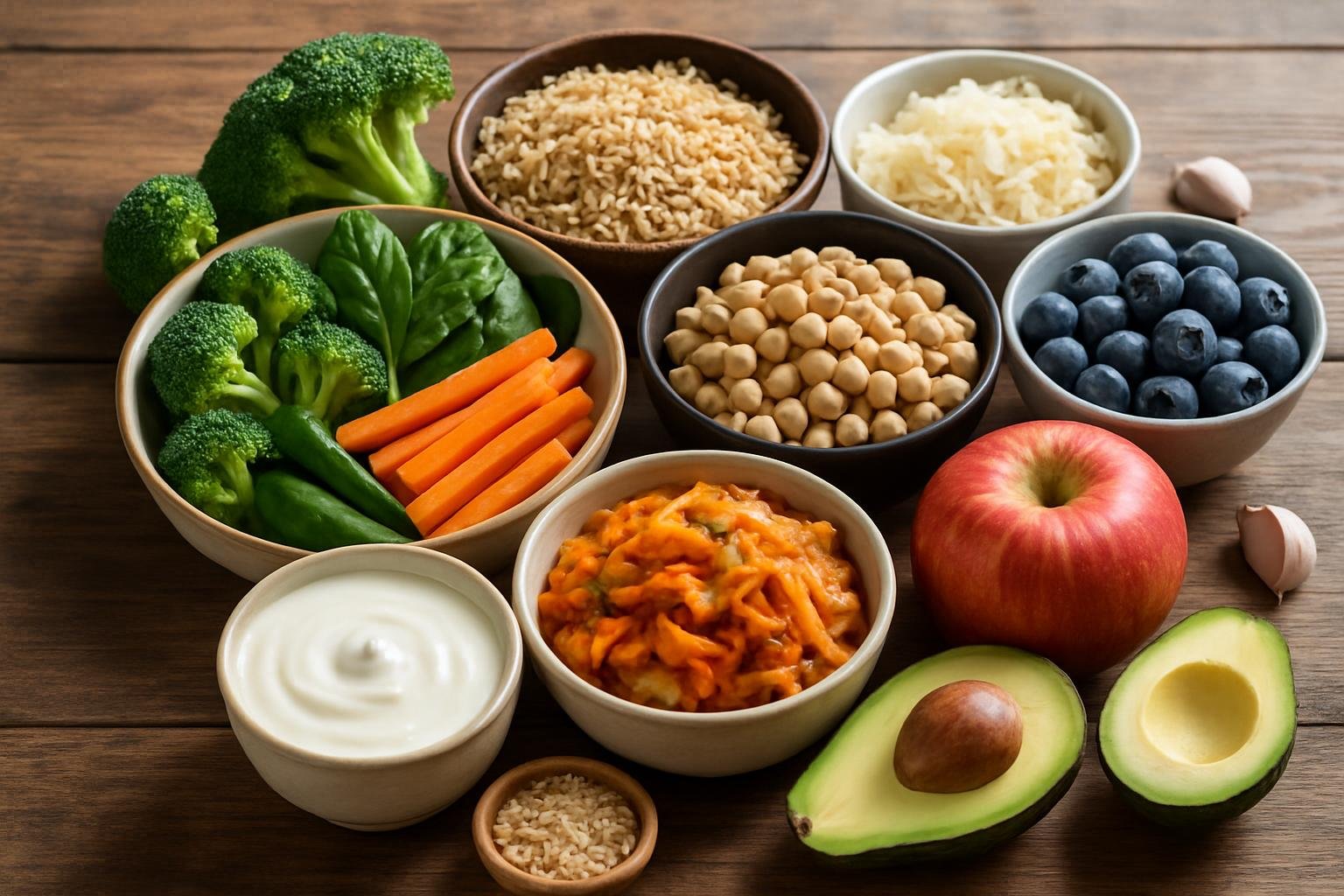
Dietary fiber, particularly soluble fiber, fuels beneficial gut bacteria and aids in regular bowel movements. Foods like oats, apples, flaxseeds, and legumes provide this crucial nutrient. Integrating a variety of fiber sources ensures a diverse microbiota, which is linked to better digestion and metabolic health.
Fermented Foods: Natural Probiotics for the Gut
Fermented foods such as yogurt, kefir, sauerkraut, kimchi, and miso introduce live beneficial bacteria that can enhance intestinal microbial diversity. These probiotics support digestion by improving the gut barrier and reducing inflammation. Incorporating these foods regularly can be an effective strategy for gut health.
Prebiotic Foods: Feeding the Good Bacteria
Prebiotics are non-digestible fibers that serve as food for probiotics. Ingredients like garlic, onions, leeks, asparagus, and bananas are rich in prebiotics. Including these in meals helps maintain a healthy balance of gut microbes, which translates to improved digestion and nutrient absorption.
Hydration and Digestive Efficiency
While water isn’t a food per se, adequate hydration is vital for digestion. Water enables fiber to swell and move through the digestive tract, preventing constipation and supporting waste elimination. Prioritizing fluid intake alongside fiber-rich foods amplifies digestive benefits.
Avoiding Digestive Disruptors
Processed foods high in refined sugars, trans fats, and artificial additives can disrupt gut flora and impair digestion. Limiting these and focusing on whole, nutrient-dense foods supports a stable microbiome and reduces digestive distress.
Practical Takeaways for Everyday Eating
- Start meals with a serving of fiber-rich vegetables or whole grains.
- Incorporate fermented foods several times a week to introduce beneficial microbes.
- Use garlic and onions generously to nourish gut bacteria through prebiotics.
- Maintain hydration by drinking water consistently throughout the day.
- Limit processed snacks and sugary beverages to protect gut integrity.
Conclusion: Building a Balanced Gut Through Food Choices
Optimizing digestion and gut health is not about radical diets but informed food selections rooted in dietary fiber, probiotics, and prebiotics. By embracing a varied and minimally processed diet, we can support our microbiome’s resilience and enhance digestive function. These choices create a ripple effect, boosting overall health, vitality, and quality of life.