
How to Eat Healthy on a Budget: Practical Strategies for Nutritious Living
Introduction: Breaking the Myth That Healthy Eating Is Expensive
It’s a common misconception that eating healthy requires a large financial investment. Many people feel constrained by their food budgets and assume that nutritious choices mean pricey specialty items or constant visits to organic markets. The reality, however, is that with thoughtful planning and savvy shopping, anyone can enjoy wholesome meals without straining their wallet. This editorial unpacks practical, tested strategies to help you eat healthily on a budget, focusing on sustainable changes rather than quick fixes.
Embrace Planning: The Cornerstone of Affordable Nutrition
First and foremost, effective meal planning can dramatically reduce food expenses while improving diet quality. Planning meals in advance allows you to buy only what you need, minimize food waste, and take advantage of sales. Rather than buying impulsively, a grocery list tailored to weekly meal ideas keeps spending focused and intentional.
Consider setting aside a weekly or biweekly window to map out your meals. Combine ingredients across dishes to maximize ingredient use—one vegetable can star in several meals, transforming your grocery haul into multiple satisfying options.
Shopping Smart: Where and How You Buy Matters
Location and timing are crucial. Shopping at farmers’ markets near closing times or local discount stores can provide fresh produce at lower prices. Frozen fruits and vegetables are often more affordable than fresh, especially out of season, and they retain most of their nutritional value.
Furthermore, buying staples like grains, beans, and nuts in bulk is another cost-saving tactic that enhances food variety. Not only do these foods provide nutritional density, but their longer shelf lives offer flexibility when budget constraints are tight.
Cook at Home: Control and Cost Savings
One of the most impactful ways to eat healthy on a budget is to prepare meals at home. Restaurant and takeout options often carry hidden costs—in price, portion sizes, and nutritional content. Home cooking allows you to control ingredients, portion sizes, and flavor without needing a gourmet background.
Simple recipes that revolve around whole foods can be both satisfying and affordable. Learning to prepare versatile dishes like soups, stews, stir-fries, and salads leverages inexpensive ingredients and reduces dependency on processed foods.
Prioritize Nutrient-Rich, Cost-Efficient Foods
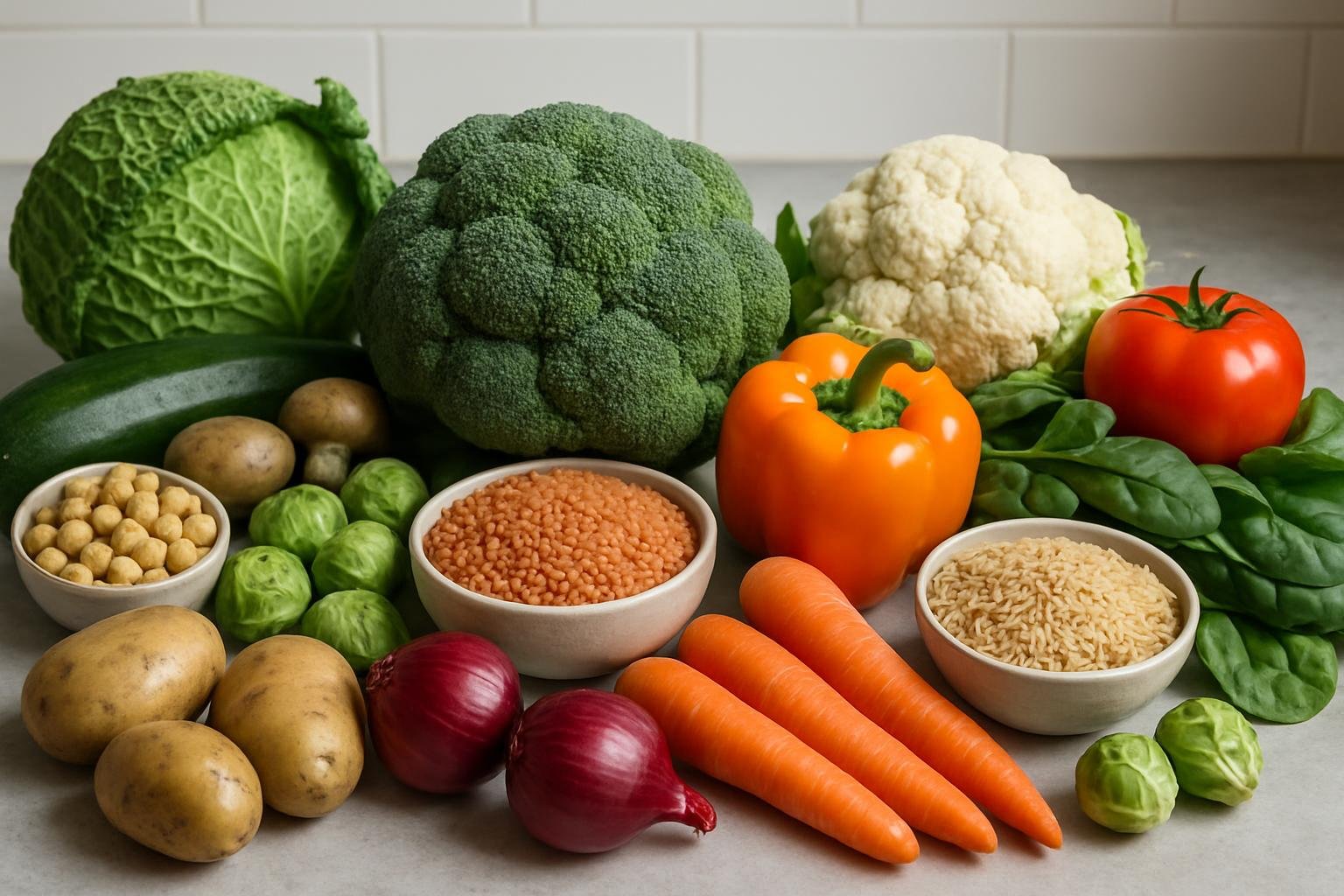
Balancing nutritional value with cost efficiency is key. Foods like beans, lentils, eggs, oats, and seasonal vegetables deliver essential nutrients at low prices. Select whole grains over refined options for better fiber and sustained energy.
When protein is concerned, look beyond meat. Plant-based proteins are often more affordable and carry additional health benefits, including fiber and antioxidants. Incorporating them regularly can diversify your diet and protect your budget.
Practical Takeaways for Everyday Eating
- Batch cook and freeze portions: Saves time and prevents impulse spending.
- Use leftovers creatively: Reinvent dinner scraps into soups or salads.
- Limit processed convenience foods: They often cost more and offer fewer nutrients.
- Grow your own herbs or veggies: Even a small windowsill garden helps cut costs.
Conclusion: Investing in Health Through Smart Choices
Eating healthy on a budget isn’t just a financial challenge; it’s an opportunity for mindful living and long-term wellbeing. With deliberate planning, strategic shopping, and home cooking, nutritious meals can become accessible and affordable. The key lies in shifting perspectives—valuing staple ingredients, embracing simplicity, and understanding the true cost of food. Ultimately, investing a little of your time and attention today can reap durable health dividends tomorrow.