
Best Sunscreen for Face: What to Look for Before Buying
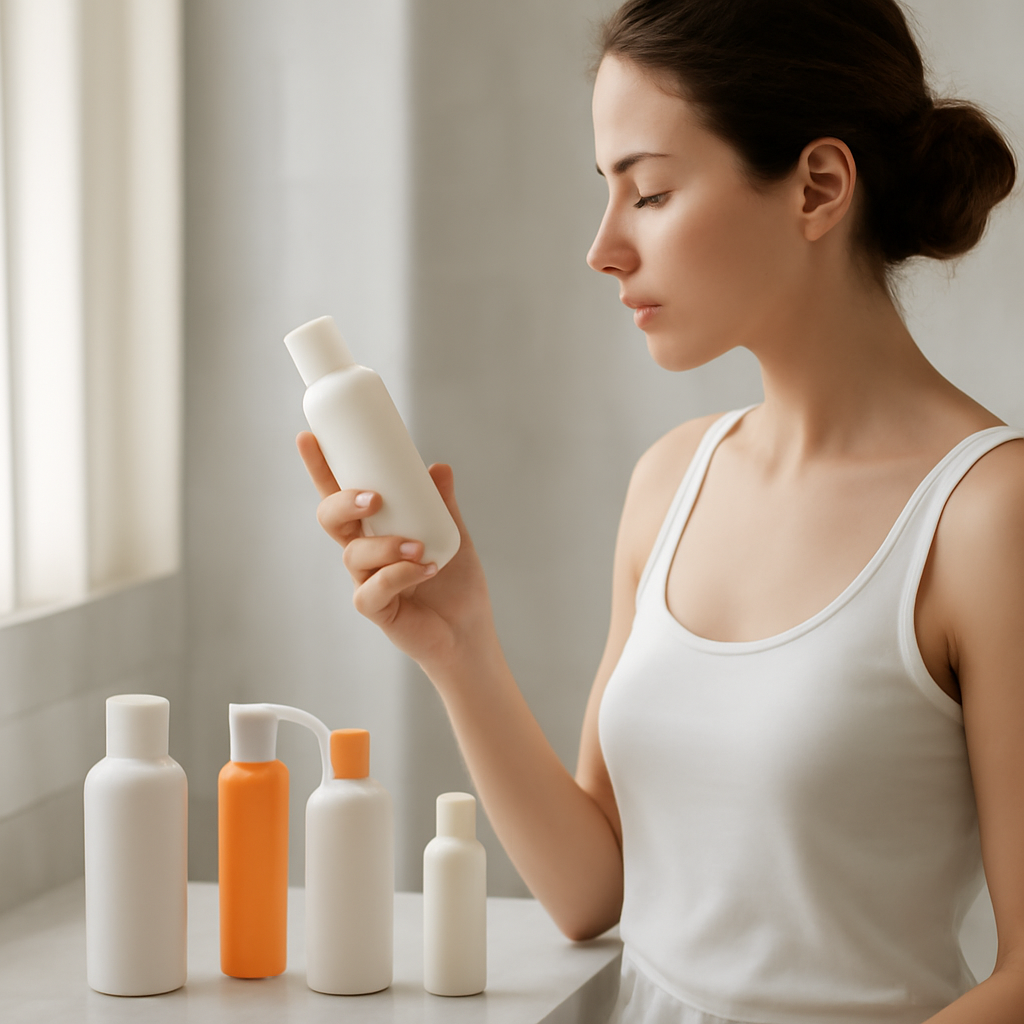
Best Sunscreen for Face: What to Look for Before Buying
Choosing the best sunscreen for your face is about more than grabbing the highest SPF on the shelf. The right formula should protect your skin from sun damage, feel comfortable enough to wear every day, and work with your skin type without causing breakouts, irritation, or a greasy finish. Because facial skin is often more sensitive than the rest of the body, it pays to know what to look for before you buy.
The good news is that a great face sunscreen does not have to be complicated. If you understand a few key features—such as SPF, broad-spectrum protection, ingredients, texture, and water resistance—you can pick a product that fits your routine and actually gets used consistently.
1. Start with Broad-Spectrum Protection
The most important feature in any face sunscreen is broad-spectrum protection. This means the product helps protect against both UVA and UVB rays. UVB rays are the main cause of sunburn, while UVA rays contribute to premature aging, dark spots, and long-term skin damage.
If a sunscreen only protects against one type of ray, it leaves your skin partially exposed. For everyday facial use, broad-spectrum coverage is essential.
2. Choose the Right SPF
SPF stands for Sun Protection Factor, and for most people, SPF 30 or higher is a solid daily choice for the face. SPF 30 blocks about 97% of UVB rays when applied correctly, while higher SPFs offer slightly more protection.
That said, a higher number is not a substitute for reapplying. Even the best sunscreen can lose effectiveness over time due to sweat, oil, touching the face, or sun exposure. If you spend long hours outdoors, reapply every two hours or more often if you swim or sweat heavily.
3. Match the Formula to Your Skin Type
Skin type matters a lot when choosing facial sunscreen. A formula that feels perfect on one person may be uncomfortable or irritating on another.
- Oily or acne-prone skin: Look for oil-free, non-comedogenic, or gel-based formulas that are less likely to clog pores.
- Dry skin: Choose a moisturizing sunscreen with ingredients like glycerin, hyaluronic acid, or ceramides.
- Sensitive skin: Mineral sunscreens with zinc oxide or titanium dioxide may be gentler and less likely to sting.
- Combination skin: Lightweight lotions or fluid sunscreens often provide balance without feeling heavy.
The best sunscreen for your face is one you enjoy wearing every day. If the texture feels too greasy, chalky, or sticky, you are less likely to use enough of it.
4. Decide Between Mineral and Chemical Sunscreen
Face sunscreens usually fall into two main categories: mineral and chemical.
Mineral sunscreens sit on top of the skin and reflect UV rays. They typically use zinc oxide, titanium dioxide, or both. These formulas are often recommended for sensitive skin and can start working right away after application.
Chemical sunscreens absorb UV rays and convert them into heat. They often feel lighter and blend more easily, which makes them popular for daily wear and under makeup.
There is no universal winner. The better choice is the one that suits your skin and routine. If your skin reacts easily, a mineral option may be the safer pick. If you want an invisible finish, a chemical formula may feel more comfortable.
5. Look for Added Benefits Without the Hype
Many facial sunscreens include extra ingredients such as antioxidants, niacinamide, or soothing extracts. These can be helpful, but they should not distract from the main job: sun protection.
If you want a multitasking product, look for formulas that offer benefits like:
- Light hydration
- Oil control
- Blue-light or environmental antioxidant support
- A tinted finish that helps even out skin tone
Still, remember that a sunscreen with trendy add-ons is not necessarily better than a simple, well-formulated one.
6. Consider Water Resistance and Finish
If you exercise outdoors, live in a hot climate, or tend to sweat, water resistance can be a helpful feature. Many water-resistant sunscreens are rated for 40 or 80 minutes. This does not make them waterproof, but it does improve staying power in active conditions.
The finish also matters. Some people prefer a matte look that controls shine, while others want a dewy or natural finish. If you wear makeup, a lightweight sunscreen that layers well underneath foundation or tinted moisturizer is usually the most practical.
7. Check for Common Irritants
If your skin is easily irritated, scan the ingredient list before buying. Fragrance, essential oils, and high alcohol content can bother some people, especially around the eyes. Sunscreens designed for the face are often gentler than body formulas, but not always.
When in doubt, choose a product labeled for sensitive skin or one that has been ophthalmologist-tested if you want something safer for the eye area.
8. Don’t Forget Daily Use Habits
Even the best sunscreen for face will not help much if it is used too sparingly. Most people apply less than they should. For the face and neck, a practical rule is to use about two finger lengths of product, or enough to create a visible, even layer before it absorbs.
Apply sunscreen as the last step in your morning skincare routine, before makeup. On cloudy days and during winter, sunscreen still matters because UV rays can reach your skin year-round.
Final Thoughts
When shopping for the best sunscreen for your face, focus on the essentials first: broad-spectrum protection, SPF 30 or higher, and a formula that suits your skin type. From there, consider texture, water resistance, and any extra ingredients that support your needs. The best product is the one you will use consistently, every single day. A comfortable sunscreen that fits your routine is one of the simplest and most effective investments you can make for healthier-looking skin.