
Affordable Healthy Foods You Should Always Keep at Home for Balanced Living
Introduction: The Practicality of Healthy Eating on a Budget
Eating healthily is often perceived as a costly luxury, but this misconception overlooks the wealth of affordable, nutritious foods readily available. By thoughtfully stocking your pantry and fridge with key staples, you can effortlessly support your well-being without straining your finances. This article distills expert insight into choosing affordable healthy foods that provide lasting value and nourishment at home.
Understanding What Makes a Food Both Healthy and Affordable
Affordability and healthfulness can coexist when we focus on nutrient density, shelf-life, and versatility. Affordable healthy foods typically include whole grains, legumes, seasonal produce, and certain proteins that offer a strong nutrient-to-cost ratio. Avoiding highly processed items and opting for minimally packaged foods further enhances value.
Essential Affordable Healthy Foods to Keep at Home
1. Whole Grains
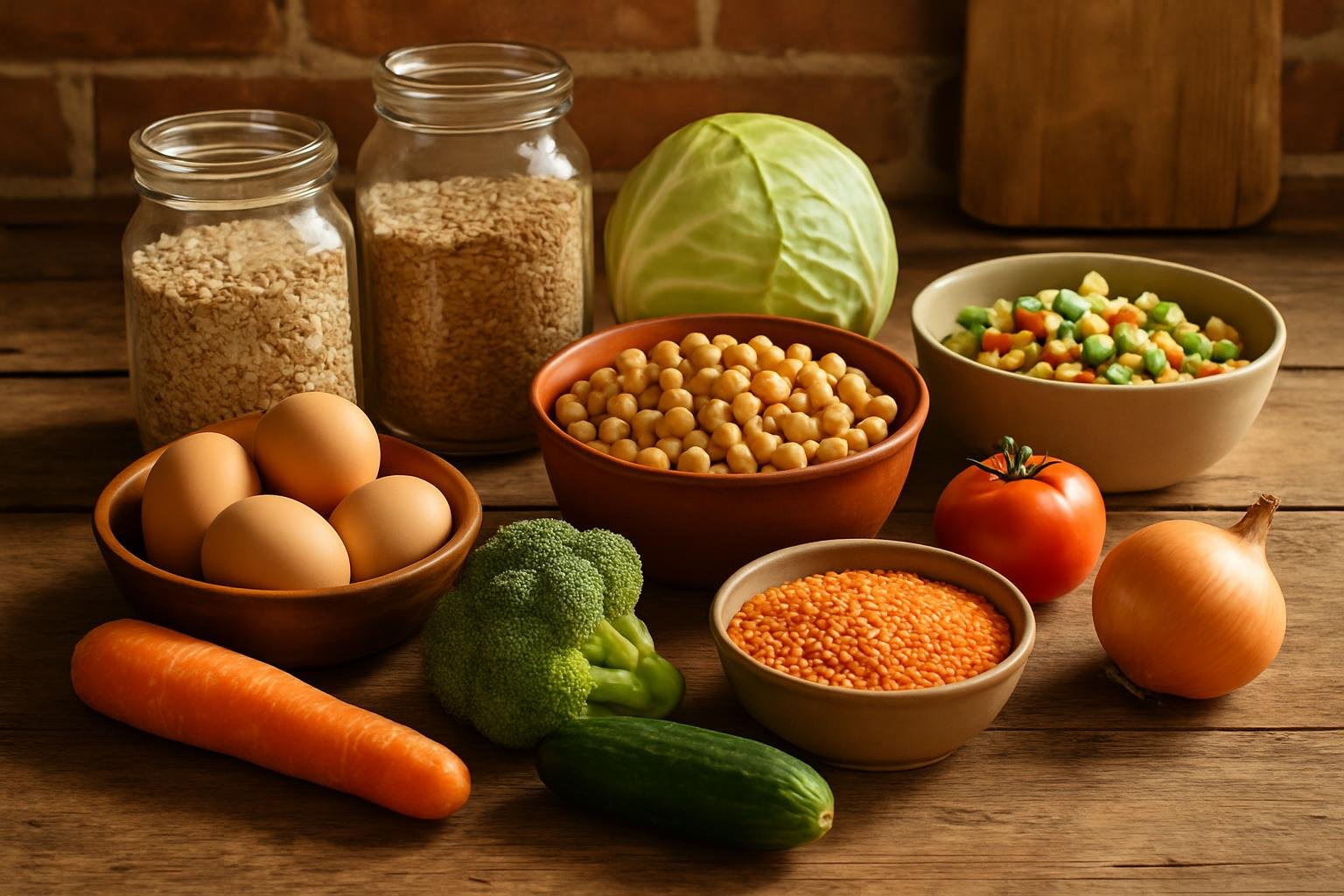
Options like brown rice, rolled oats, quinoa, and whole wheat pasta are inexpensive, have long shelf lives, and provide fiber, vitamins, and minerals. They form a solid foundation for balanced meals, improving digestion and sustained energy.
2. Legumes and Beans
Dried or canned beans, lentils, and chickpeas are protein powerhouses packed with fiber. They are among the most economical sources of nutrition, adaptable to salads, soups, stews, and spreads.
3. Frozen Vegetables and Fruits
Frozen produce retains most nutrients and presents a cost-effective alternative to fresh items, especially out of season. They minimize waste while ensuring access to essential vitamins and antioxidants year-round.
4. Eggs
Eggs are a versatile, affordable source of high-quality protein, vitamins, and minerals. They serve well in many dishes, from quick breakfasts to hearty dinners.
5. Seasonal Fresh Produce
Buying fruits and vegetables in season leverages natural supply cycles, reducing costs and maximizing freshness. Prioritize staples like carrots, cabbage, apples, and bananas, which tend to remain affordable and versatile.
6. Nuts and Seeds (in moderation)
Though sometimes pricier per weight, buying nuts and seeds in bulk and consuming them sparingly can provide healthy fats, protein, and micronutrients essential for heart and brain health.
Strategies for Maximizing Affordability Without Compromising Nutrition
Meal planning combined with intelligent shopping habits is key. Planning enables targeted purchases, reduces food waste, and prioritizes nutrient density. Bulk purchases and store-brand options often offer substantial savings. Preparing meals from scratch, rather than relying on pre-packaged convenience foods, also enhances both cost-efficiency and health benefits.
Conclusion: Healthy Eating Is Accessible with Thoughtful Choices
By curating a home pantry stocked with these affordable healthy foods, anyone can create balanced, flavorful meals that promote long-term wellness. It is less about expensive superfoods and more about smart, mindful selection and preparation. Building a foundation of whole grains, legumes, seasonal produce, and versatile proteins ensures that healthy eating remains practical, satisfying, and within reach.
Adopting these expert-backed tips transforms the way we approach food budgeting, underscoring that affordable health is not only possible but also sustainable.