
Simple Nutrition Tips for Beginners: Building a Sustainable Healthy Eating Habit
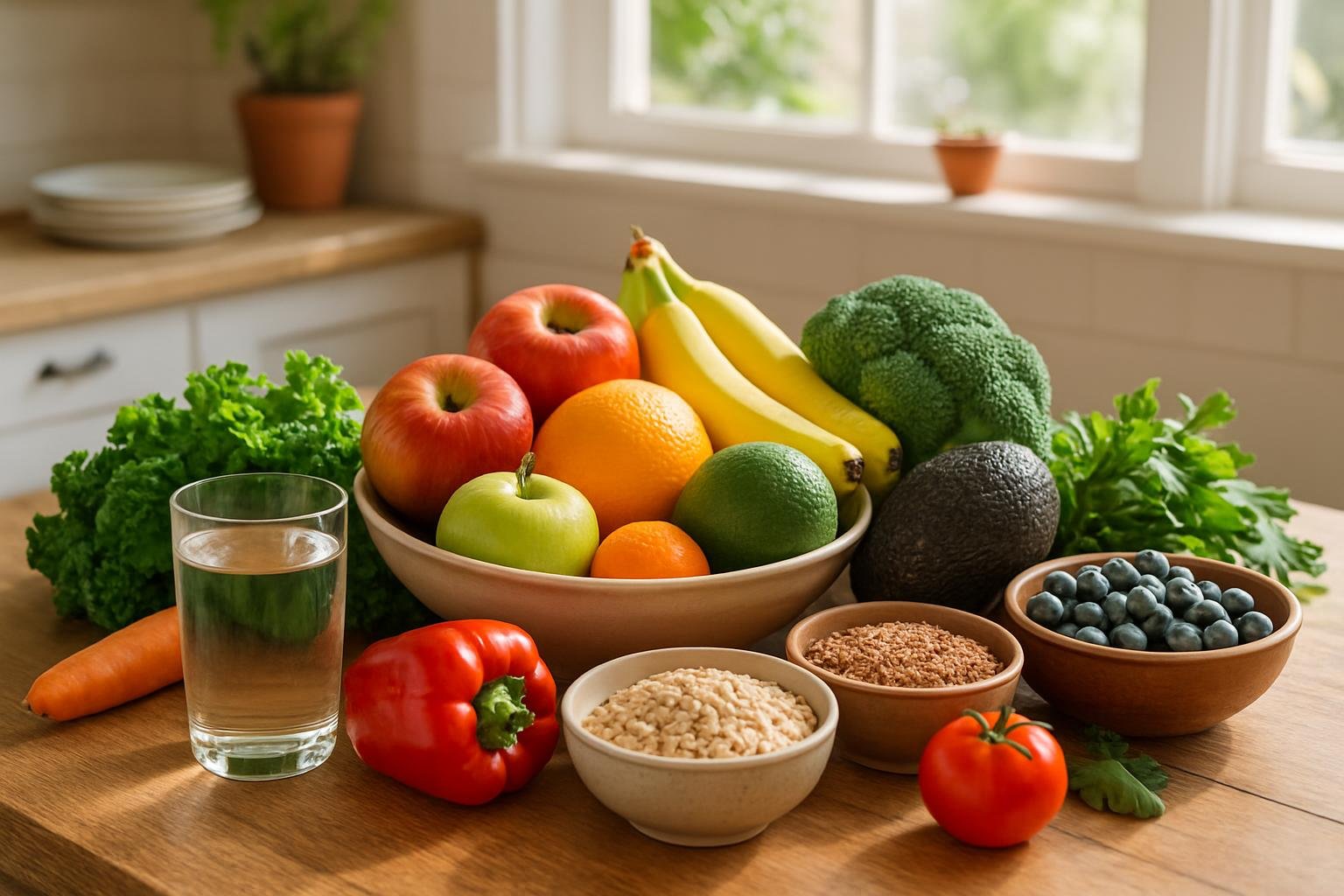
Simple Nutrition Tips for Beginners: Building a Sustainable Healthy Eating Habit
Embarking on a nutrition journey can often feel overwhelming. The abundance of conflicting advice, diet trends, and nutrient jargon leaves many beginners uncertain where to start. Yet, nutrition need not be complicated to be effective. By adopting a few practical, straightforward principles, anyone can develop sustainable eating habits that promote overall health and well-being.
Understanding Nutrition Beyond Diet Fads
First, it’s essential to dispel the myth that nutrition is about quick fixes or rigid rules. The market is saturated with trendy diets promising rapid results, but these seldom cultivate long-term health. Instead, viewing nutrition as a lifelong practice focused on balance and nourishment can shift your mindset from restrictive to empowering.
Approaching food as fuel and medicine encourages mindful choices that support your body’s unique needs. Above all, adopting realistic habits is the cornerstone of progress for beginners.
Prioritize Whole, Minimally Processed Foods
Start by simplifying your plate. Whole foods — fruits, vegetables, whole grains, lean proteins, nuts, and seeds — are naturally rich in essential nutrients without added chemicals or excessive sugars. These foods not only nourish but also support digestion and satiety, helping avoid overeating.
Minimally processed options retain more vitamins and minerals compared to heavily processed products, which often contain empty calories. Making whole foods the foundation of your meals makes nutritional balance manageable and enjoyable.
Hydration: The Often Overlooked Pillar
Water is fundamental yet frequently underestimated. Proper hydration supports digestion, energy levels, and cognitive function. For beginners, a practical tip is to carry a water bottle and aim to drink regularly throughout the day rather than waiting for thirst.
Replacing sugary drinks with water reduces unnecessary calorie intake and supports overall health. Herbal teas and infused water offer flavorful alternatives without compromising hydration.
Moderation and Portion Awareness
Understanding portion sizes and practicing moderation is more effective than labeling foods as strictly “good” or “bad.” This approach reduces guilt around eating and encourages a balanced relationship with food.
Using smaller plates, paying attention to hunger signals, and savoring each bite can prevent overeating. Recognizing that occasional indulgences are part of a healthy diet fosters long-term commitment without depriving enjoyment.
Plan, Prepare, and Personalize
Nutrition is deeply personal. What works for one person may not fit another’s preferences, lifestyle, or health goals. Experimentation is key. Begin with planning meals ahead to avoid impulsive, less nutritious choices.
Cooking at home empowers you to control ingredients and portion sizes. Start with simple recipes and gradually expand culinary skills. Also, listen to your body’s responses to different foods and adjust accordingly.
Focus on Consistent Habits, Not Perfection
Perhaps the most critical tip is to prioritize consistency over perfection. Small, manageable changes implemented steadily yield more sustainable results than drastic shifts that are difficult to maintain.
Celebrate incremental progress and avoid self-criticism for occasional setbacks. Sustainable nutrition is less about rigid rules and more about developing a compassionate, informed relationship with your diet.
Conclusion: Empowerment Through Informed Choices
Simple nutrition tips for beginners do not require memorizing exhaustive food lists or following stringent diets. Instead, focus on incorporating whole foods, staying hydrated, practicing moderation, and creating personalized meal strategies. By fostering an honest, sensible approach, you can build a foundation for lasting health benefits and increased well-being. Remember, nutrition is a journey — not a race — and every step toward mindful eating is an investment in your future.