
How to Effectively Declutter Your Home Room by Room for Lasting Order
Introduction: Why Decluttering Room by Room Works
Decluttering a home can feel overwhelming, especially when faced with the entire space at once. However, tackling the task room by room allows for a focused, manageable approach. This not only reduces stress but also ensures lasting organization by addressing the unique needs and functions of each space. Through thoughtful analysis and deliberate action, your home can evolve into a serene refuge rather than a source of chaos.
Start with Clear Goals and a Plan
Before diving in, clarify why you want to declutter. Are you aiming to create more storage, reduce visual noise, or simply regain control over your environment? Setting clear, personal goals provides motivation and direction. Next, create a plan that sequences rooms logically — for instance, begin with the spaces you use most often, such as the living room or kitchen, before moving to less frequented areas.
Kitchen: Prioritize Functionality Over Accumulation
The kitchen often accumulates clutter due to the sheer volume of items involved—from utensils to gadgets. Start by emptying drawers and cabinets, separating items into categories: essentials, duplicates, expired, and unused. Experts recommend removing duplicates and anything not used regularly to enhance both accessibility and hygiene. This purification step simplifies meal preparation and minimizes daily stress.
Living Room: Balance Comfort with Minimalism
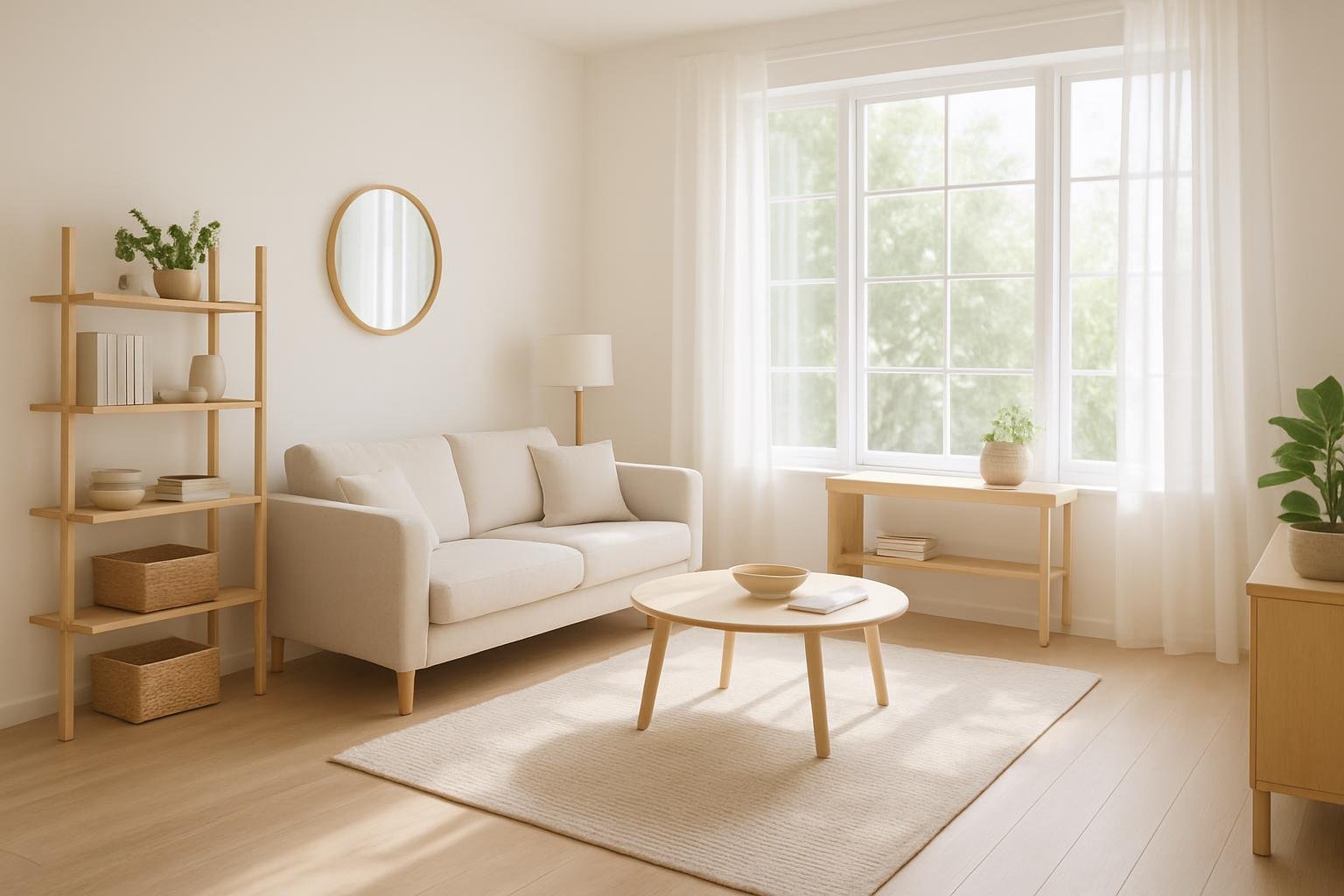
The living room embodies both relaxation and social interaction, yet it can easily become cluttered with magazines, electronics, and miscellaneous items. Decluttering here means distinguishing between objects that contribute to comfort and those that add unnecessary distraction. Use storage solutions like baskets and shelves to maintain order, and regularly purge items that no longer serve a purpose, reinforcing the room’s inviting atmosphere.
Bedroom: Foster Rest with Intentional Simplicity
Bedrooms deserve special attention as sanctuaries for rest. Excess clutter can impact sleep quality by creating visual and mental stimuli. Decluttering involves clearing bedside tables, organizing wardrobes by keeping only wearable clothes, and removing non-essential paper or gadgets. The goal is to craft a calm ambiance that supports relaxation and restorative rest.
Bathrooms: Streamline for Efficiency and Cleanliness
Bathrooms frequently fall victim to an accumulation of unopened products and expired toiletries. Decluttering here means discarding what’s outdated, organizing essentials by frequency of use, and considering minimalistic storage fixtures. A tidy bathroom not only promotes hygiene but also enhances functionality for all users.
Home Office: Create a Focused Work Environment
In the age of remote work, the home office must support productivity. Clutter can severely impede focus. Prioritize clearing paperwork, organizing digital devices and cables, and ensuring that only necessary reference materials occupy the workspace. Clear boundaries between work and home life can be reinforced through this process.
Maintenance: The Key to Long-Term Success
Decluttering is not a one-time event but an ongoing process. Establish small daily habits like tidying surfaces, regular reassessments of stored items, and mindful purchasing to avoid accumulation. This maintenance mindset safeguards your progress and keeps your home organized over time.
Conclusion: Decluttering as a Path to Emotional and Physical Clarity
Approaching decluttering room by room allows for an in-depth connection with your living spaces and a tailored approach to organization. Beyond aesthetic improvement, it fosters emotional clarity and eases daily routines. By committing to this methodical process, you transform your home into a place of peace and purposeful living, proving that decluttering is more than tidying—it’s reclaiming space for what truly matters.