
Smart and Satisfying: Healthy Snack Ideas for Work, School, and Travel
Introduction: Why Healthy Snacking Matters
In our fast-paced lives, snacks often become a necessary refueling point between meals. Yet, grabbing whatever’s convenient can derail nutrition goals and leave us feeling sluggish. Whether you’re powering through a workday, studying hard at school, or navigating travel itineraries, choosing healthy snacks is both a practical and impactful way to maintain energy, focus, and overall well-being.
Balancing Convenience and Nutrition
One of the biggest challenges when selecting snacks is finding options that balance convenience with nutritional value. Highly processed snacks may satisfy immediate cravings but often deliver empty calories, excessive sugars, and unhealthy fats. Prioritizing snacks rich in protein, fiber, and healthy fats can sustain satiety and avoid blood sugar spikes.
For work and school, packaging and ease of consumption matter. Portable snacks that don’t require refrigeration or utensils tend to perform best. While traveling, durability and resilience to temperature changes become additional considerations.
Top Healthy Snack Ideas for Every Scenario
1. Nut and Seed Mixes
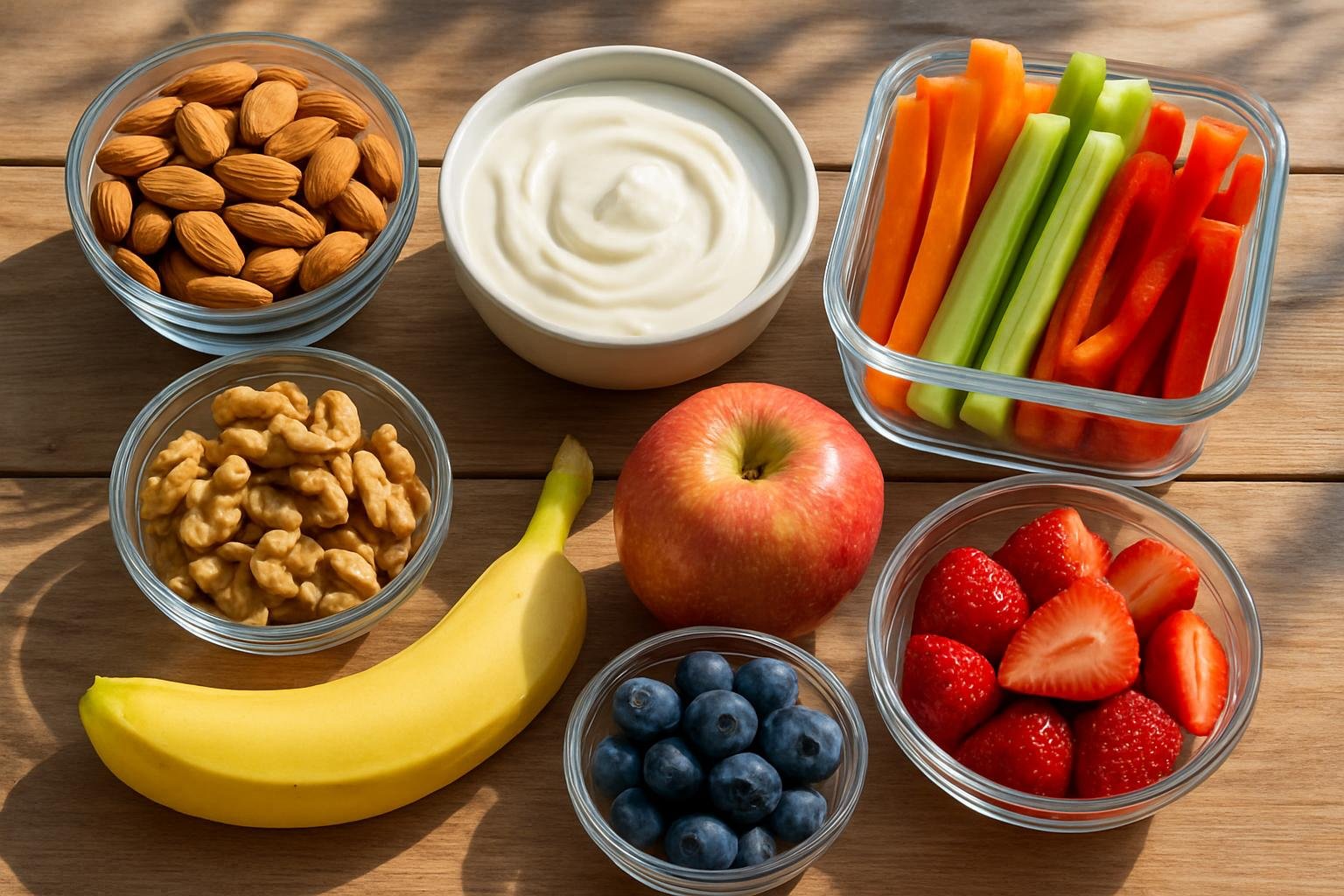
Almonds, walnuts, pumpkin seeds, and sunflower seeds offer a potent mix of healthy fats, protein, and fiber. A small handful can curb hunger effectively without excess volume. Opt for unsalted and raw or lightly roasted varieties to keep sodium low.
2. Fresh Fruit and Vegetables
Apples, berries, carrot sticks, cucumber slices, and cherry tomatoes provide hydration, vitamins, and natural sweetness. Pairing them with a serving of hummus or nut butter adds satisfying protein and fat components for a balanced bite.
3. Greek Yogurt and Cottage Cheese
These dairy snacks are protein powerhouses. Single-serve containers can conveniently accompany work or school lunches. Adding fresh fruit or a sprinkle of nuts enhances flavor and nutrient diversity.
4. Whole-Grain Crackers and Rice Cakes
Look for options with minimal ingredients and no trans fats. Whole-grain bases provide fiber that aids digestion and blood sugar control. Pair with cheese, nut butter, or avocado for a filling snack.
5. Hard-Boiled Eggs
Eggs are a low-calorie source of complete protein and essential nutrients. Pre-prepared hard-boiled eggs can be easily packed and eaten without creating mess or fuss.
6. Energy Bars and Bites
When carefully selected, energy bars can be an excellent convenient snack. Seek products with natural ingredients, low added sugars, and balanced macronutrients rather than those laden with artificial additives.
Practical Tips for Snack Preparation and Selection
Consistency in healthy snacking requires a degree of planning. Preparing snack bags in advance during weekends ensures you have ready options when days get hectic. Keep portion sizes moderate to avoid overconsumption.
Stay mindful of your body’s hunger and fullness cues. Snacking is not just a filler activity but an opportunity to nourish and sustain productivity.
Conclusion: Snacking as a Sustainable Wellness Habit
Healthy snacking is more than a fleeting trend; it is an essential pillar of sustainable wellness, particularly for people with demanding schedules. Thoughtful snack choices foster energy stability, cognitive clarity, and better eating patterns overall. By integrating nutrient-dense, easy-to-transport snacks into your daily routine, you invest in both immediate vitality and long-term health, no matter where your day takes you.