
Best Foods for Energy and Better Focus
Best Foods for Energy and Better Focus
When your energy dips, your focus usually goes with it. The good news is that the right foods can help you feel more alert, avoid afternoon crashes, and support steady concentration throughout the day. Instead of relying on quick fixes like sugary snacks or too much coffee, build meals and snacks around nutrients that fuel the brain and keep blood sugar more stable.
Foods that support energy and focus tend to provide a mix of complex carbohydrates, protein, healthy fats, fiber, vitamins, and minerals. They digest more slowly, deliver a steady supply of fuel, and help your brain work efficiently. Here are some of the best choices to include in your routine.
1. Oats and other whole grains
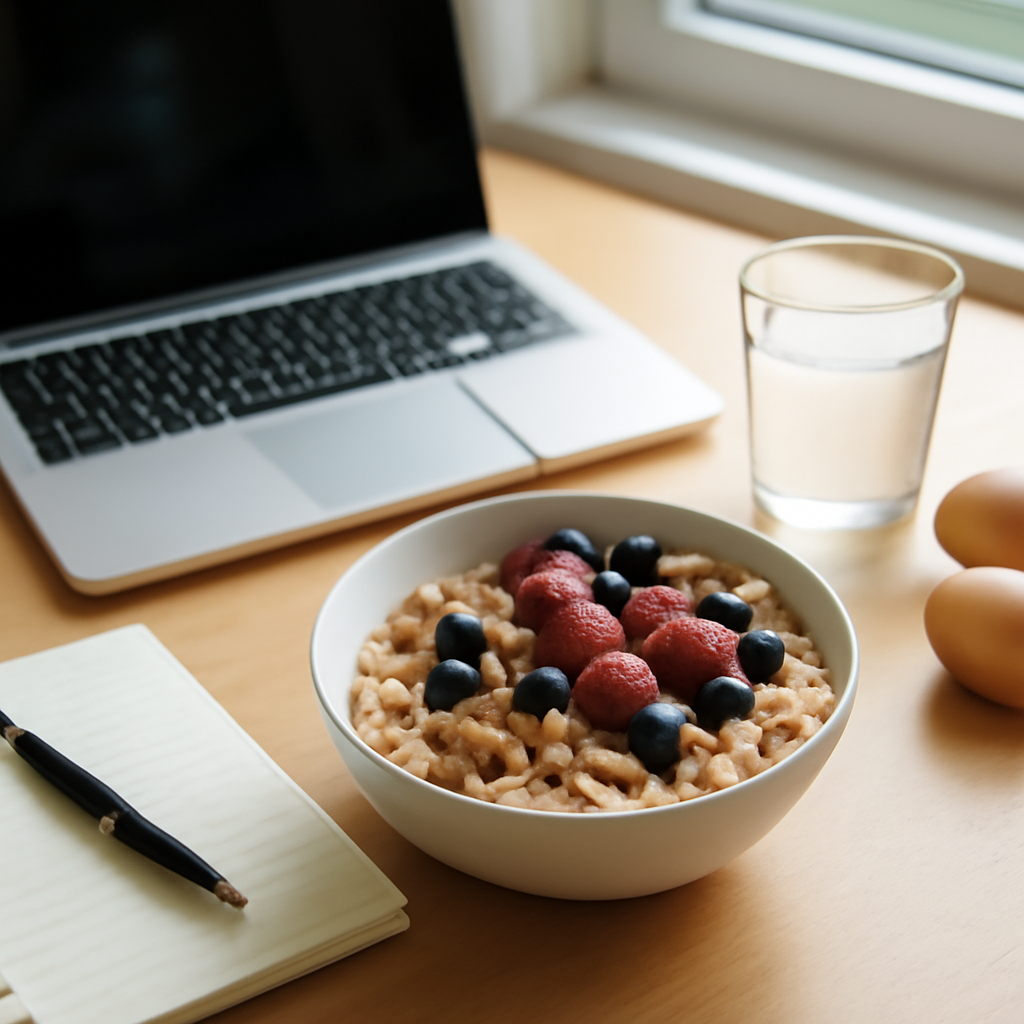
Whole grains such as oats, brown rice, quinoa, and whole wheat bread are excellent sources of complex carbohydrates. These carbs break down more slowly than refined grains, which helps maintain steady energy. Oats are especially useful for breakfast because they can keep you full and focused for hours.
Why they help: They provide long-lasting fuel and help prevent blood sugar spikes and crashes.
2. Eggs
Eggs are one of the most practical foods for brain support. They contain high-quality protein and important nutrients such as choline, which plays a role in memory and brain function. Eggs also pair well with vegetables and whole grains, making them easy to include in balanced meals.
Why they help: Protein supports steady energy, while choline helps support cognitive performance.
3. Fatty fish
Salmon, sardines, trout, and mackerel are rich in omega-3 fatty acids, which are linked to brain health. These healthy fats support the structure of brain cells and may help with attention and mental clarity over time. A few servings a week can make a meaningful difference in a balanced diet.
Why they help: Omega-3s support brain function and may help improve focus.
4. Nuts and seeds
Almonds, walnuts, pumpkin seeds, chia seeds, and sunflower seeds are smart snacks when you need lasting fuel. They contain protein, healthy fats, and minerals like magnesium, which supports energy production in the body. They are also easy to pack for work, school, or travel.
Why they help: They combine healthy fats and protein for steady energy between meals.
5. Berries
Blueberries, strawberries, raspberries, and blackberries are rich in antioxidants and natural compounds that support brain health. They are sweet without being overly heavy and can be added to yogurt, oatmeal, smoothies, or eaten on their own as a snack.
Why they help: Antioxidants help protect the brain and support long-term cognitive health.
6. Greek yogurt
Greek yogurt offers a strong mix of protein and carbohydrates, making it a useful option for a mid-morning or afternoon snack. Choose plain versions when possible and add fruit, seeds, or a drizzle of honey for flavor. The protein helps keep hunger in check, which can also reduce distractions.
Why they help: Protein plus carbs can support stable energy and better satiety.
7. Leafy greens
Spinach, kale, arugula, and other leafy greens provide folate, vitamin K, and other nutrients tied to brain and body health. They may not deliver a quick energy boost, but they support overall wellness and can help your body function at its best over time. Add them to omelets, grain bowls, soups, or smoothies.
Why they help: They supply key vitamins and minerals that support brain and body function.
8. Water-rich foods and hydration-friendly choices
Even mild dehydration can make you feel tired and less alert. Foods like cucumbers, oranges, melons, and celery can add to your fluid intake, and they work well alongside regular water consumption. Herbal tea and broth-based soups can also help you stay hydrated during the day.
Why they help: Proper hydration supports attention, mood, and physical energy.
Smart eating habits for better focus
What you eat matters, but when and how you eat matters too. Skipping meals can lead to low energy and reduced concentration, while large heavy meals may leave you sluggish. Try to build balanced meals with protein, fiber, and healthy fats, and keep snacks simple and nutrient-dense.
- Start the day with protein and fiber.
- Choose whole foods over sugary snacks.
- Pair carbs with protein or healthy fat.
- Drink water regularly, not only when you feel thirsty.
- Limit highly processed foods that cause quick energy swings.
A simple plate for steady energy
A good rule of thumb is to make half your plate vegetables or fruit, one quarter lean protein, and one quarter whole grains or starchy vegetables. Add a source of healthy fat, such as nuts, seeds, avocado, or olive oil. This balance can help you feel satisfied, energized, and mentally ready for the tasks ahead.
There is no single superfood that guarantees perfect focus, but a consistent pattern of smart choices can make a real difference. By eating more whole grains, eggs, fatty fish, nuts, seeds, berries, yogurt, leafy greens, and hydrating foods, you give your brain the fuel it needs to perform well throughout the day.