
How Streaming Changed the Future of Entertainment
How Streaming Changed the Future of Entertainment
Streaming did more than make watching movies and TV easier. It completely changed how entertainment is created, distributed, discovered, and paid for. In just a few years, audiences moved from scheduled programming and physical media to instant access on nearly any device. That shift rewired expectations for viewers, studios, musicians, and platforms alike.
What started as a convenient alternative to cable and DVDs has become the dominant model for modern entertainment. Today, streaming influences not only what we watch, but how long shows are made, how artists reach fans, and how media companies compete for attention in a crowded digital world.
The End of Scheduled Viewing
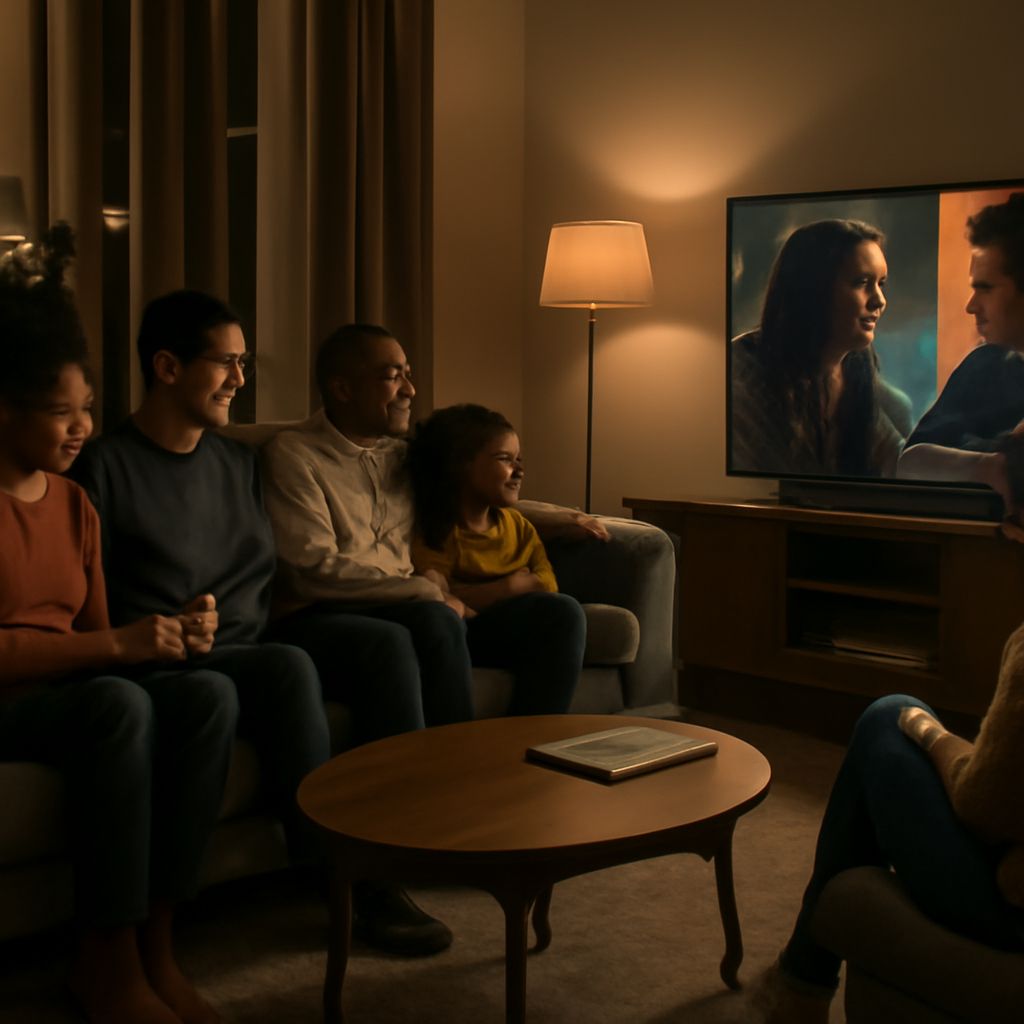
Before streaming, entertainment followed fixed time slots. People planned their evenings around TV premieres, rented movies from stores, or waited for albums to be released in stores and on radio. Streaming replaced that model with instant access. Audiences now expect to start, pause, rewind, and continue content whenever they want.
This change gave viewers more control than ever before. Instead of adjusting to a broadcaster’s schedule, entertainment now adjusts to the audience’s lifestyle. That convenience became a major reason streaming grew so quickly across film, television, music, podcasts, and live events.
On-Demand Access Changed Audience Expectations
One of the biggest effects of streaming is the rise of on-demand culture. Viewers no longer want to wait for the next episode or album drop if they do not have to. Entire seasons can be released at once, and music libraries can be explored in seconds. This instant availability has reshaped attention spans, habits, and even what people consider “normal” access.
Streaming also made entertainment more personal. Platforms use recommendations, watch history, and user preferences to suggest content that matches individual tastes. As a result, people often discover new shows, films, or songs they may never have found through traditional channels.
Original Content Became a Major Competitive Tool
Streaming platforms quickly realized they needed more than a digital library. To stand out, they began investing heavily in original content. That move changed Hollywood and the broader entertainment industry. Major studios, independent creators, and streaming-first companies all started producing exclusive shows, films, and documentaries designed to attract subscribers.
This competition led to a creative boom. More projects got funded, niche stories found audiences, and international content reached global viewers faster than before. At the same time, the pressure to create exclusive hits increased, making the battle for subscriber attention more intense.
Entertainment Became More Global
Streaming removed many of the borders that once limited entertainment distribution. A show made in one country can now be watched around the world within days, sometimes hours. Music, films, and series are no longer trapped in local markets or dependent on regional release schedules.
This global reach has expanded opportunities for creators and audiences alike. Viewers can explore foreign-language dramas, international films, and artists from different cultures with ease. In turn, entertainment has become more diverse and more connected across markets.
The Business Model Shifted
Streaming also changed how entertainment makes money. Instead of relying only on ticket sales, album purchases, or cable subscriptions, companies now use subscription plans, ad-supported tiers, rentals, and premium add-ons. This flexibility created new revenue streams, but it also introduced new challenges.
For consumers, streaming often feels more affordable at first. But as more services enter the market, subscription fatigue becomes a real issue. People may subscribe to several platforms at once, then cancel and rotate services based on what they want to watch. That behavior has forced companies to rethink pricing, retention, and content strategy.
Technology and Data Became Part of the Experience
Streaming is not just a distribution method; it is a technology-driven ecosystem. Companies collect data to understand viewing habits, improve recommendations, and decide what content to renew or cancel. That data can help platforms deliver a smoother experience, but it also raises questions about privacy and creative decision-making.
At the same time, streaming has encouraged better devices, faster internet, smarter TVs, and improved mobile experiences. Entertainment is now designed to move with the user, whether they are at home, commuting, or traveling.
What Streaming Means for the Future
Streaming has already changed entertainment forever, but the evolution is not finished. The future will likely include more personalization, more interactive content, more live experiences, and stronger blending between video, music, gaming, and social media. Audiences want convenience, choice, and flexibility, and streaming companies will keep competing to deliver all three.
The biggest lesson from the streaming era is simple: entertainment is no longer controlled by format or schedule. It is defined by access, adaptability, and the ability to reach people wherever they are. That is why streaming did not just change entertainment. It set the direction for its future.