
Essential Foods to Incorporate for Lasting Health and Vitality
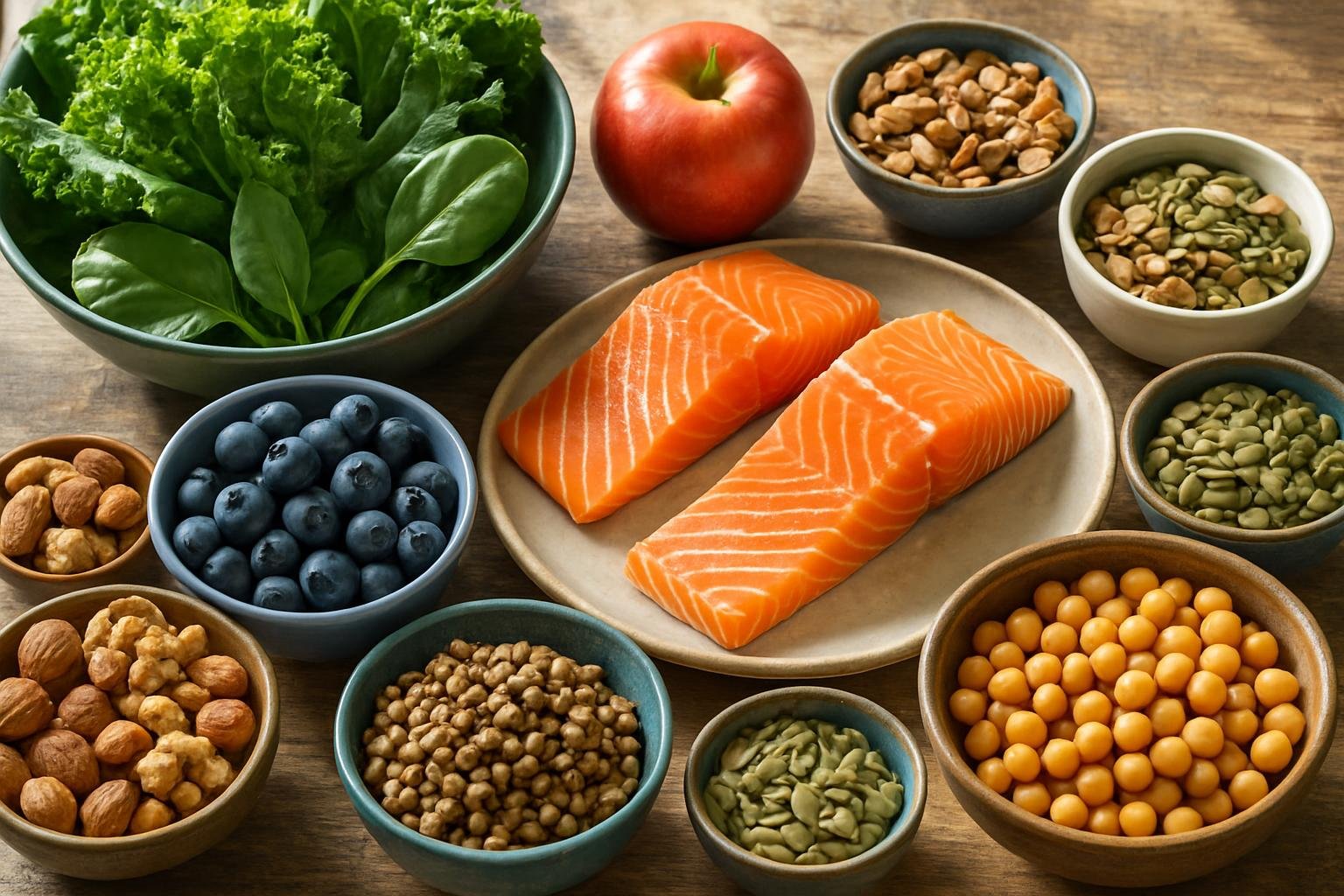
Essential Foods to Incorporate for Lasting Health and Vitality
In the pursuit of long-term wellness, the foundation is laid not just by how much we eat, but by what we choose to include on our plates day after day. While trends may come and go, certain foods consistently emerge as pillars of health, supporting everything from heart function to brain clarity over the years. Understanding these nutrient powerhouses is vital to creating a diet that sustains vitality and resilience well into the future.
The Power of Whole, Unprocessed Foods
Whole foods retain their natural complexity and balance, which translates to optimal nutrient delivery. Unlike processed options that often strip away fiber, vitamins, and minerals, whole grains, fresh vegetables, and fruits maintain the structure needed to nourish the body effectively. Regular consumption of these foods fuels the body’s systems, reinforces immunity, and stabilizes energy levels.
Leafy Greens: More Than Just Garnish
Leafy greens such as kale, spinach, and Swiss chard are nutritional heavyweights. Rich in antioxidants, vitamins A, C, and K, and minerals like magnesium, these vegetables support cellular repair and combat oxidative stress linked to aging. Embracing leafy greens daily, whether blended into smoothies or tossed in salads, can help maintain cognitive function and cardiovascular health.
Fatty Fish: Nature’s Brain and Heart Food
Oily fish like salmon, mackerel, and sardines provide essential omega-3 fatty acids, crucial for reducing inflammation and supporting heart rhythm and brain structure. These fats cannot be synthesized efficiently by the human body, highlighting the importance of dietary inclusion. Integrating fatty fish into weekly meals is a robust strategy for long-term cognitive and cardiac wellness.
Nuts and Seeds: Compact Nutrition Pods
Nuts and seeds offer a rich blend of healthy fats, protein, fiber, and micronutrients such as selenium and vitamin E. These components collectively promote vascular health and have been associated with reduced risks of chronic disease. Their portability and versatility make they an accessible option to supplement meals or serve as wholesome snacks that satisfy hunger without sacrificing nutrition.
Whole Fruits: Sweet Nutrition Without the Guilt
While fruit juices often carry added sugars and diminished fiber, whole fruits deliver natural sweetness alongside fiber, vitamins, and polyphenols. Apples, berries, and citrus fruits provide antioxidants that modulate inflammation and support gut health. Incorporating a variety of colorful fruits reinforces a diverse nutrient profile crucial for systemic well-being.
Legumes: The Unsung Protein Heroes
Beans, lentils, and peas are excellent plant-based protein sources, laden with fiber, complex carbohydrates, and essential minerals like iron and folate. They contribute to sustained energy release and support digestive microbiota, which is increasingly recognized as central to immune strength and metabolic regulation. Regular consumption of legumes can also ease the burden on environmental resources, aligning personal wellness with planetary health.
Conclusion: Consistency in Choice Equals Long-Term Reward
Long-term wellness is a cumulative outcome of repeated daily choices that prioritize nutrient-dense, minimally processed foods. Emphasizing leafy greens, fatty fish, nuts, whole fruits, and legumes creates a balanced dietary tapestry that fosters robust health over decades. By shifting focus from short-term diets to sustainable eating patterns, individuals can empower themselves with resilience, vitality, and a foundation for thriving well beyond the present moment.