
How to Cultivate a Peaceful Daily Routine for Improved Mental Well-Being
Introduction: The Quiet Power of a Peaceful Routine
In an era saturated with constant notifications, endless to-do lists, and overwhelming noise, the value of a peaceful daily routine cannot be overstated. Mental health professionals increasingly emphasize the significance of structured calm to counterbalance external chaos. A peaceful routine isn’t about rigidity or monotony; it’s a deliberate framework that offers stability, reduces stress, and promotes emotional resilience. But how does one build such a routine? This article dissects the art of creating a calm, balanced daily life that nurtures mental well-being.
Understanding the Role of Routine in Mental Health
Routine serves as the backbone of predictability and security—two pillars essential to mental health. When our days are punctuated by familiar rhythms, the brain can conserve energy otherwise spent on decision fatigue and uncertainty. This predictability helps moderate anxiety and creates a mental space conducive to reflection and growth. Additionally, routines cultivate discipline without excessive effort, allowing small positive habits to compound into lasting benefits.
Core Elements of a Peaceful Daily Routine
1. Prioritize Morning Mindfulness
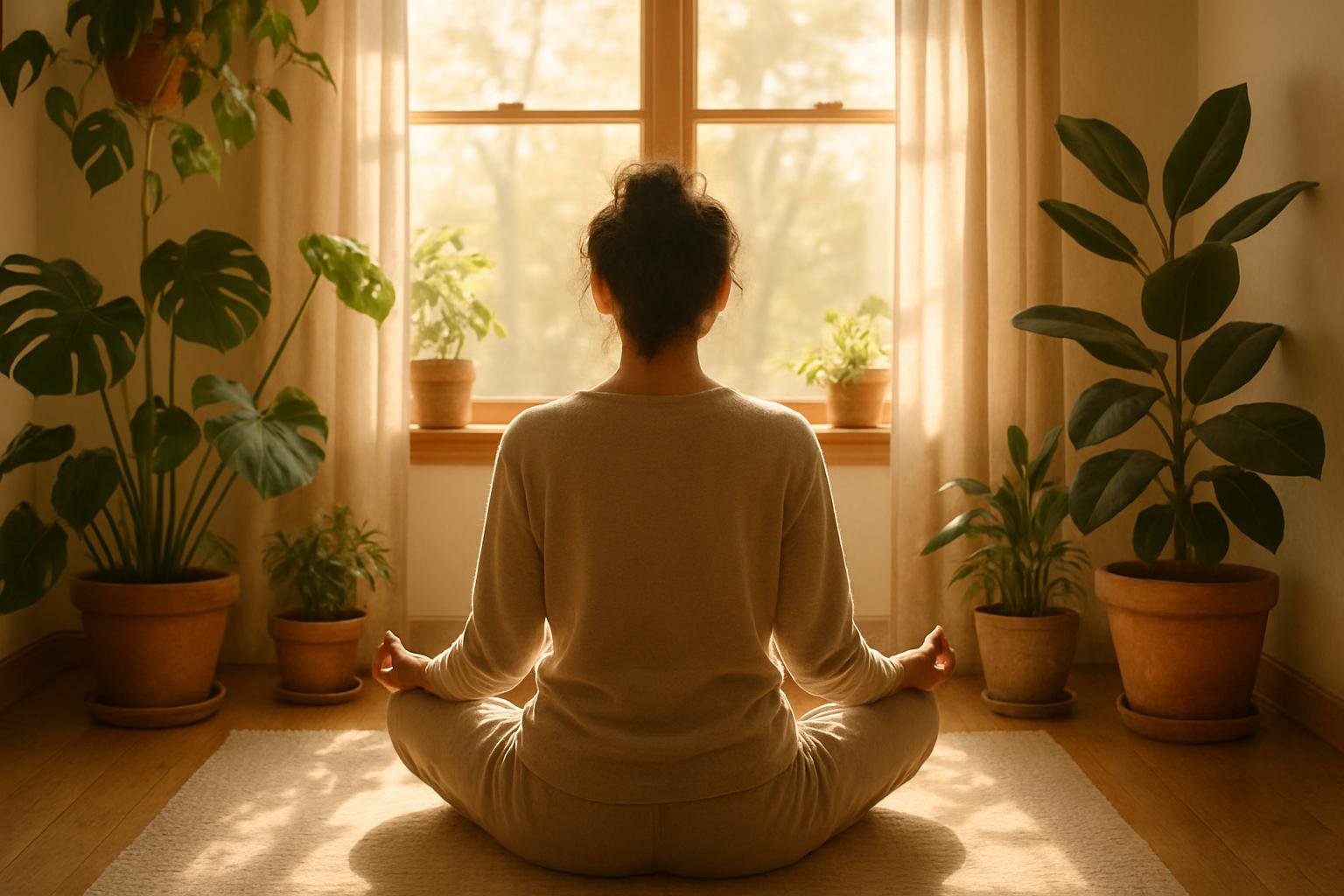
The way you begin your day often sets the tone for everything that follows. Starting with a moment of mindfulness, whether through meditation, journaling, or simple deep breathing, centers your mind and invites calm. This practice acts as a mental anchor when confronted with the day’s inevitable stresses.
2. Embrace Purposeful Movement
Physical activity need not be strenuous to be effective. Gentle movement like stretching, yoga, or walking outdoors not only aids cardiovascular health but also releases endorphins—neurochemicals that naturally elevate mood and diminish anxiety.
3. Create Intentional Breaks
Inserting short, deliberate breaks into your schedule can reset mental focus and reduce overwhelm. These pauses might include stepping away from screens, savoring a cup of tea, or practicing breathing exercises. Over time, they build resilience by fostering an awareness of one’s mental state.
4. Establish Consistent Sleep Patterns
Sleep quality significantly impacts emotional regulation. Going to bed and waking up at consistent times stabilizes circadian rhythms, enhancing cognitive function and mood in meaningful ways.
Practical Strategies for Building Your Personalized Routine
No single formula fits all. The key is intentionality—choosing activities and sequences that resonate personally and realistically fit your lifestyle.
- Start Small: Introduce one new habit at a time rather than overhauling your day all at once.
- Reflect and Adjust: Regularly evaluate which aspects of your routine foster calm and which create friction, then adapt accordingly.
- Limit Overcommitment: Avoid packing your schedule; simplicity often breeds tranquility.
- Use Anchors: Tie new habits to well-established ones—for example, meditate after brushing your teeth to build association.
The Psychological Benefits of a Peaceful Routine
Beyond immediate stress reduction, a well-crafted routine cultivates self-efficacy, the belief in one’s ability to manage challenges. This psychological empowerment lends itself to better coping strategies and a more optimistic outlook. Moreover, by honoring regular moments of peace, individuals often discover increased creativity and clarity.
Conclusion: Committing to Calm
Creating a peaceful daily routine is a deliberate act of self-care that pays dividends in mental health. It requires patience, experimentation, and compassion for oneself. While external circumstances may fluctuate unpredictably, the internal sanctuary that a thoughtful routine provides offers refuge and strength. In embracing this practice, one invests not only in tranquility but in the foundation for a balanced, fulfilling life.